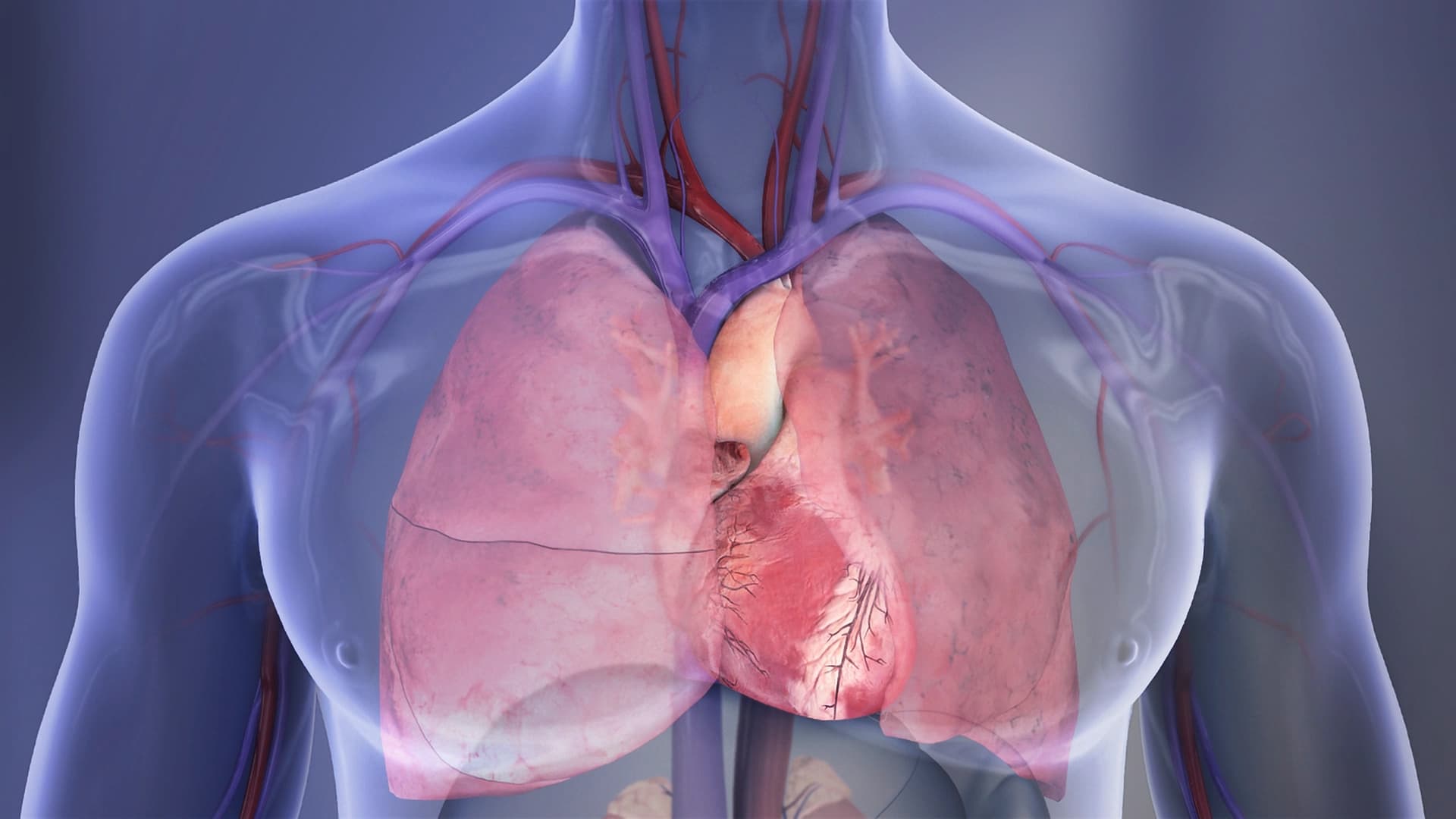
A preliminary study to be presented at the American Heart Association's Scientific Sessions 2024 has found that the fear of experiencing another heart attack is a significant ongoing stressor for survivors, impacting their perception of illness and stress levels. The research, conducted by Sarah Zvonar, Ph.D., R.N., C.C.R.N., and colleagues at Indiana University School of Medicine, suggests that this fear persists even months after the initial event and may require separate evaluation and treatment from depression and anxiety.
The study analyzed data from 171 heart attack survivors who completed questionnaires at approximately six and eight months post-heart attack. Results showed that the fear of recurrence significantly influenced participants' illness perception and perceived stress levels, even when controlling for depression and anxiety. This finding indicates that current healthcare approaches focusing solely on anxiety and depression may be overlooking a crucial aspect of survivors' psychological recovery.
Notably, the study found that adherence to diet, smoking cessation, and exercise guidelines did not significantly predict fear of recurrence or perceived stress. However, higher alcohol consumption was associated with increased fear and stress levels, although overall alcohol intake among participants was low.
While the study has limitations, including a younger average participant age and recruitment primarily through social media, its findings highlight the need for extended follow-up care and mental health support for heart attack survivors. Glenn N. Levine, M.D., chair of the 2021 American Heart Association scientific statement on psychological health and heart disease, emphasized the importance of considering both the disease and the person in healthcare.
This research underscores the complex psychological challenges faced by heart attack survivors and suggests that addressing the fear of recurrence may be crucial for improving overall recovery and reducing the risk of future heart problems. Healthcare providers may need to develop targeted interventions to help patients manage this specific fear, potentially improving long-term outcomes for heart attack survivors.