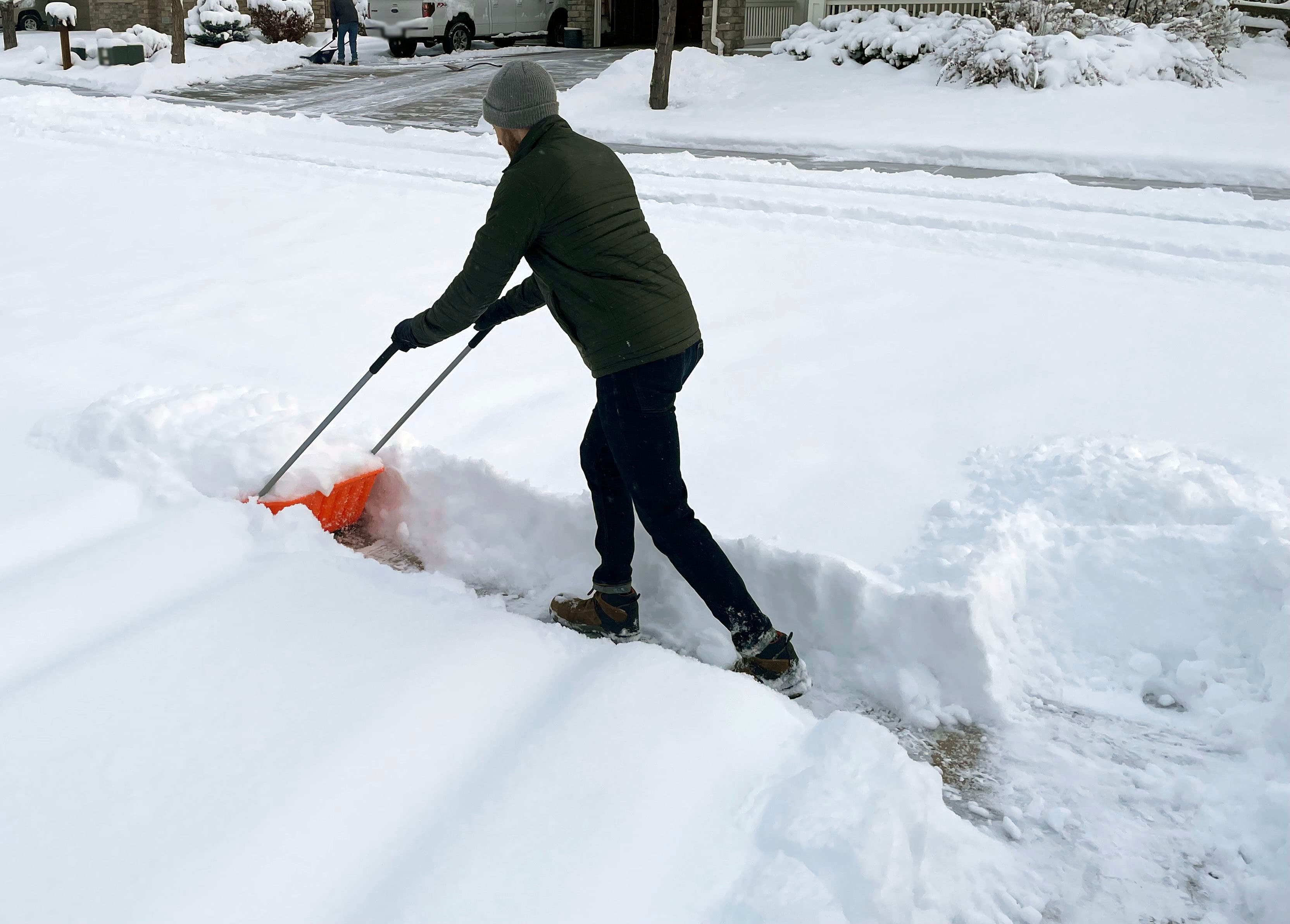
As winter storms approach, the American Heart Association (AHA) is raising awareness about the potential cardiac risks associated with snow shoveling. Research indicates that the physical exertion required for snow removal can significantly increase the risk of heart attacks and sudden cardiac arrest, particularly for individuals with existing cardiovascular conditions or those who lead sedentary lifestyles.
Dr. Keith Churchwell, AHA volunteer president and associate clinical Professor of Medicine at Yale School of Medicine, explains that snow shoveling can be as demanding on the heart as a treadmill stress test. The combination of heavy arm work, cold air exposure, and the tendency to hold one's breath while lifting heavy loads creates a 'perfect storm' for heart-related events.
The strain of snow shoveling affects heart health in several ways. It primarily involves arm work, which is more taxing on the heart than leg work. The cold air causes blood vessel constriction, raising blood pressure and limiting blood flow to the heart. Additionally, the unconscious breath-holding during heavy lifting further increases heart rate and blood pressure.
Individuals with cardiovascular risk factors such as obesity, smoking history, diabetes, high cholesterol, or high blood pressure are advised to avoid snow shoveling altogether. The AHA also cautions those who have had a heart attack, stroke, bypass surgery, or coronary angioplasty to refrain from this activity.
For those who must shovel snow, the AHA recommends starting gradually, pacing oneself, and taking frequent breaks. Wearing appropriate cold-weather gear, including mouth and nose coverings, is essential. When possible, pushing or sweeping snow is preferable to lifting and throwing it. Using a snow blower, while still requiring caution, has been shown to be less strenuous on the heart than manual shoveling.
This warning from the AHA underscores the importance of understanding and mitigating winter-related health risks. It serves as a crucial reminder for individuals to be aware of their physical limitations and to prioritize heart health during cold weather activities. The association urges everyone to familiarize themselves with the signs of a heart attack and stroke and to seek immediate medical attention if symptoms occur during or after snow removal.
As winter weather events become more frequent and severe due to climate change, this guidance from the AHA becomes increasingly relevant. It highlights the need for community-based solutions to assist vulnerable populations with snow removal and emphasizes the importance of public education on cold weather safety and cardiovascular health.