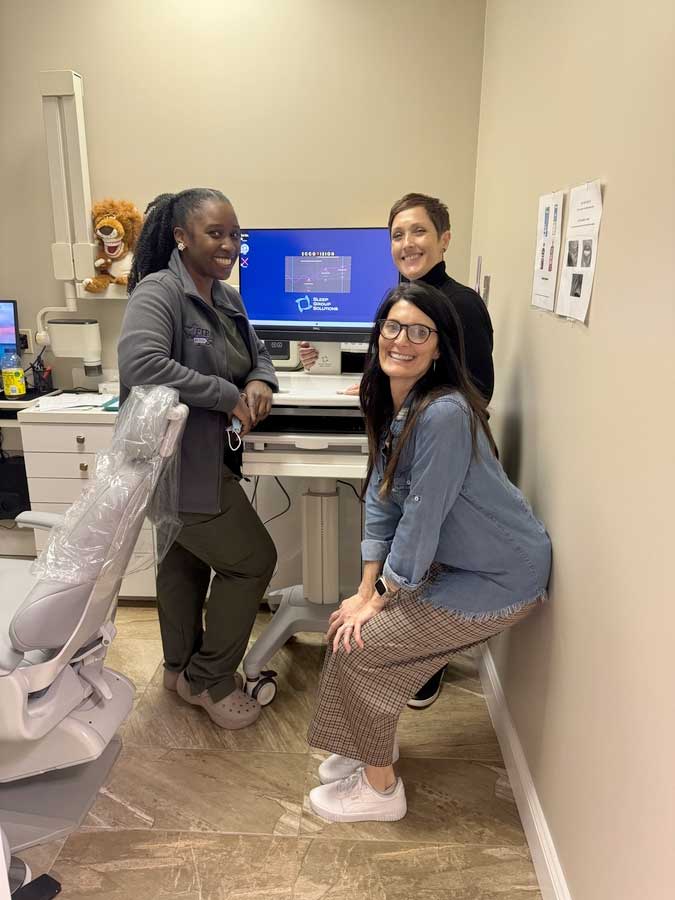
In a move to combat the widespread issue of sleep apnea, apZme's subsidiaries Sleep Group Solutions and Sleep Impressions have announced a strategic partnership with Dr. Nneka Obi, DDS, MPH, of First Street Smiles in Hackensack, New Jersey. This collaboration will enable Dr. Obi to offer advanced dental sleep medicine services to patients suffering from snoring and Obstructive Sleep Apnea (OSA).
The partnership leverages apZme's Dental Sleep Medicine Business Builder Program, which integrates proprietary EccoVision Airway Imaging Technology with ongoing service support. This integration aims to facilitate in-network insurance coverage for many patients seeking treatment for sleep apnea, making care more accessible and affordable.
The significance of this partnership extends beyond local impact. With nearly one in four adults in the United States affected by OSA, yet the majority remaining undiagnosed, this collaboration represents a crucial step in addressing a major public health concern. OSA is associated with serious health complications such as heart disease and diabetes, making early detection and treatment vital.
Dr. Obi's adoption of Oral Appliance Therapy offers an alternative to traditional CPAP therapy, potentially improving treatment adherence and outcomes. This approach aligns with a growing trend in sleep medicine that emphasizes patient-friendly solutions and personalized care.
The partnership also reflects a broader industry shift towards integrating sleep medicine into dental practices. By equipping dentists with specialized training and technology, companies like apZme are expanding the frontline in the fight against sleep disorders. This model could potentially alleviate pressure on sleep clinics and increase the overall capacity for sleep disorder diagnosis and treatment.
As the field of dental sleep medicine continues to grow, partnerships like this one between apZme and First Street Smiles may serve as a blueprint for future collaborations. The potential for improved patient outcomes, coupled with the opportunity for dental practices to diversify their services, suggests that this trend could reshape the landscape of sleep disorder treatment in the coming years.