

The construction industry's approach to evaluating TMT bar prices is evolving beyond simple commodity tracking, with industry analysts emphasizing that manufacturing technology, quality assurance, and supply chain reliability significantly influence final costs. While raw material fluctuations remain a consideration, the complete pricing equation includes energy consumption, automation levels, production efficiency, and process control systems that vary between manufacturers.
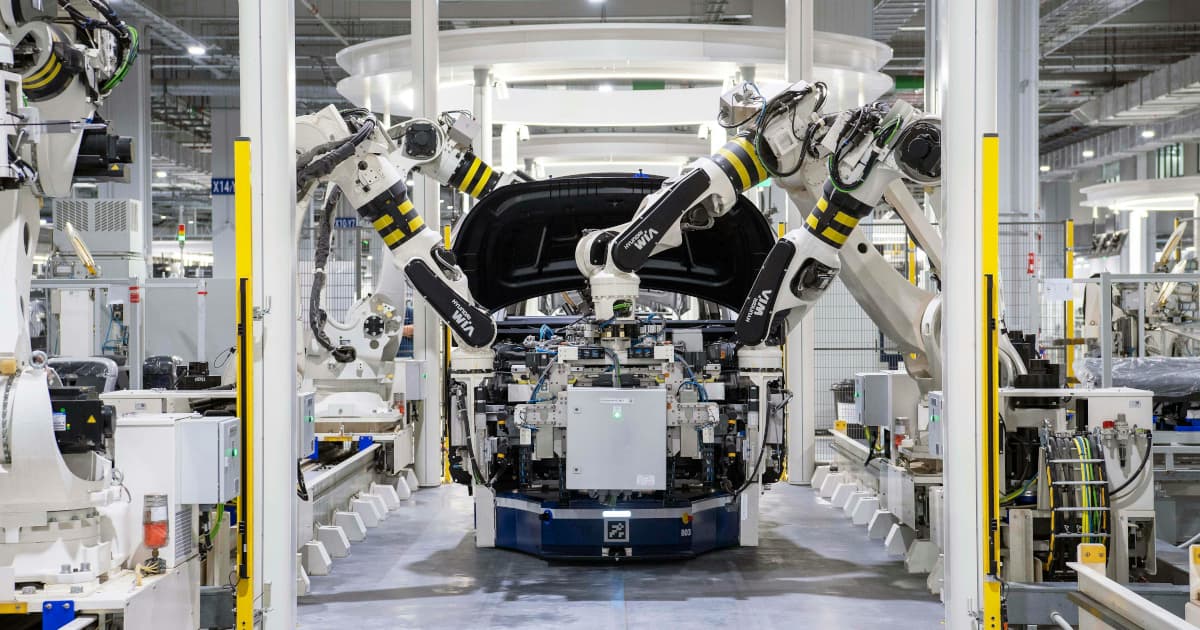
Mills investing in sophisticated rolling and quenching technologies operate with stricter tolerances and greater consistency, directly impacting their cost structures. This means TMT bar prices reflect manufacturing discipline and performance levels alongside commodity movements. The inherent value of steel that performs consistently within concrete structures over decades represents long-term value not immediately apparent at purchase.
Quality control represents a frequently overlooked pricing component, with manufacturers conducting regular testing, maintaining in-house laboratories, and enforcing high batch consistency incurring higher operational costs. These measures reduce risks of structural failure, material rejection, and project delays, creating what industry experts recognize as worthwhile premium for well-tested reinforcement that prevents future repair expenses.
This realization is gradually transforming how developers and contractors assess TMT bar prices across residential, commercial, and infrastructure projects, shifting focus from immediate cost to lifecycle value. Logistics and distribution capabilities also contribute significantly to pricing, with manufacturers maintaining stable supply chains, local availability, and predictable delivery schedules better positioned to support large-scale projects without disruptions.
Companies like Captain Steel India Ltd. have focused on developing distribution channels and production planning to ensure consistent supply, adding reliability-based pricing that enables builders to purchase with greater certainty. A senior company representative noted that pricing should always be assessed alongside performance, stating that steel delivering uniform strength, proper bonding, and durability within concrete ultimately protects both structures and investments.
As India's construction industry expands, buyers are becoming more discriminating, inquiring not about the cheapest options but about manufacturing processes and long-term performance. This shift toward transparency encourages manufacturers to invest in technology, testing, and consistency, creating more informed decision-making among stakeholders regarding cost, quality, and reliability factors beyond raw material indices.

