

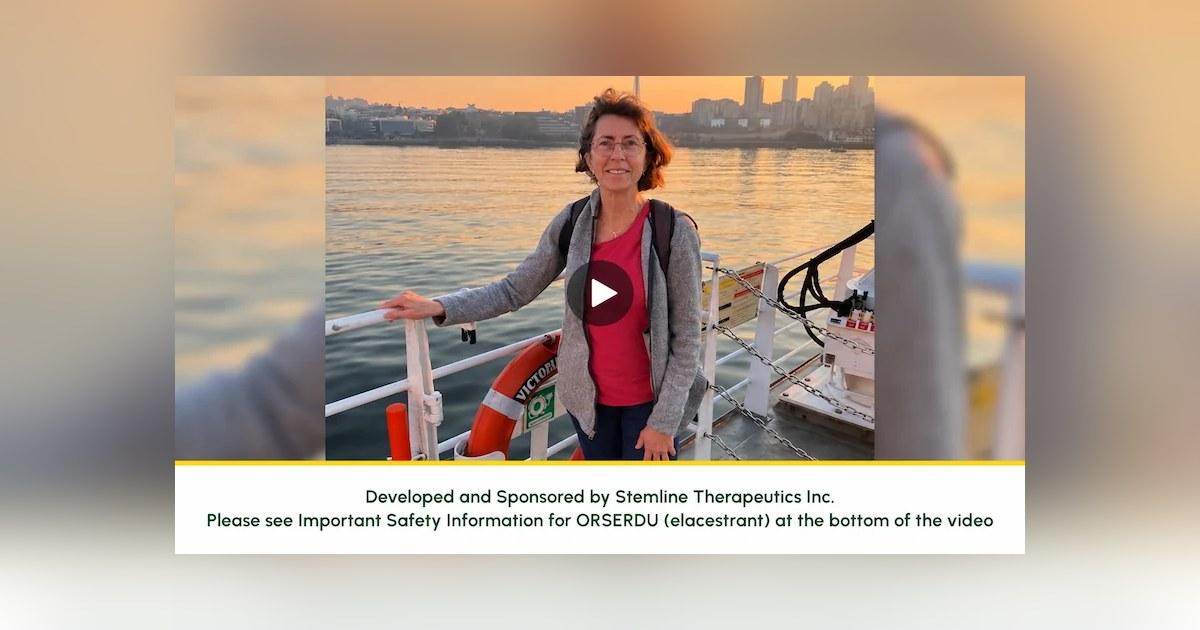
A newly shared patient story from (Stemline Therapeutics, Inc.) profiles Cathy, a woman with breast cancer, and her experience navigating treatment decisions while seeking hope in the next step of her care. The narrative, titled “Cathy’s Breast Cancer Story: Finding Hope in the Next Step,” offers a personal perspective on a disease that affects millions of people worldwide and highlights the emotional and practical challenges patients face when considering new treatment options.
The story arrives as breast cancer remains one of the most commonly diagnosed cancers among women globally. While the source content does not disclose specific clinical data, survival statistics, or detailed medical outcomes, it places a clear emphasis on the patient experience. Cathy’s account illustrates how individuals living with breast cancer often confront uncertainty and must weigh complex choices with their care teams. The publication of such stories can serve as a reminder that behind every diagnosis is a person seeking clarity, support, and a path forward.
For readers, the significance lies in the broader conversation about treatment access and informed decision-making. The source content notes that for more information about ORSERDU, including the full prescribing information and important safety information, patients should speak to their doctor or visit ORSERDU.com. This guidance reinforces the role of health care professionals in helping patients understand whether a particular therapy is appropriate for their individual situation, including its risks and benefits.
The announcement also has implications for the pharmaceutical and health care industries. Patient stories like Cathy’s can influence how people perceive available treatments and encourage more open dialogue between patients and providers. By centering the patient voice, the story may help reduce stigma and isolation that some people feel after a diagnosis, while also prompting caregivers and family members to ask questions and seek credible information.
At the same time, the source content is limited to a personal narrative and general direction to consult a doctor. It does not present new clinical trial results, regulatory approvals, or comparative effectiveness data. Readers should therefore treat the story as an anecdotal account rather than medical advice. The importance of the announcement rests less on any single claim and more on its potential to spark conversations about hope, next steps, and the need for personalized care in breast cancer treatment.
The story is sponsored by Stemline Therapeutics, Inc., a detail that readers should keep in mind when evaluating the content. For those affected by breast cancer, the takeaway is clear: hope can be found in the next step, but that step should be taken in consultation with a qualified health care professional.
