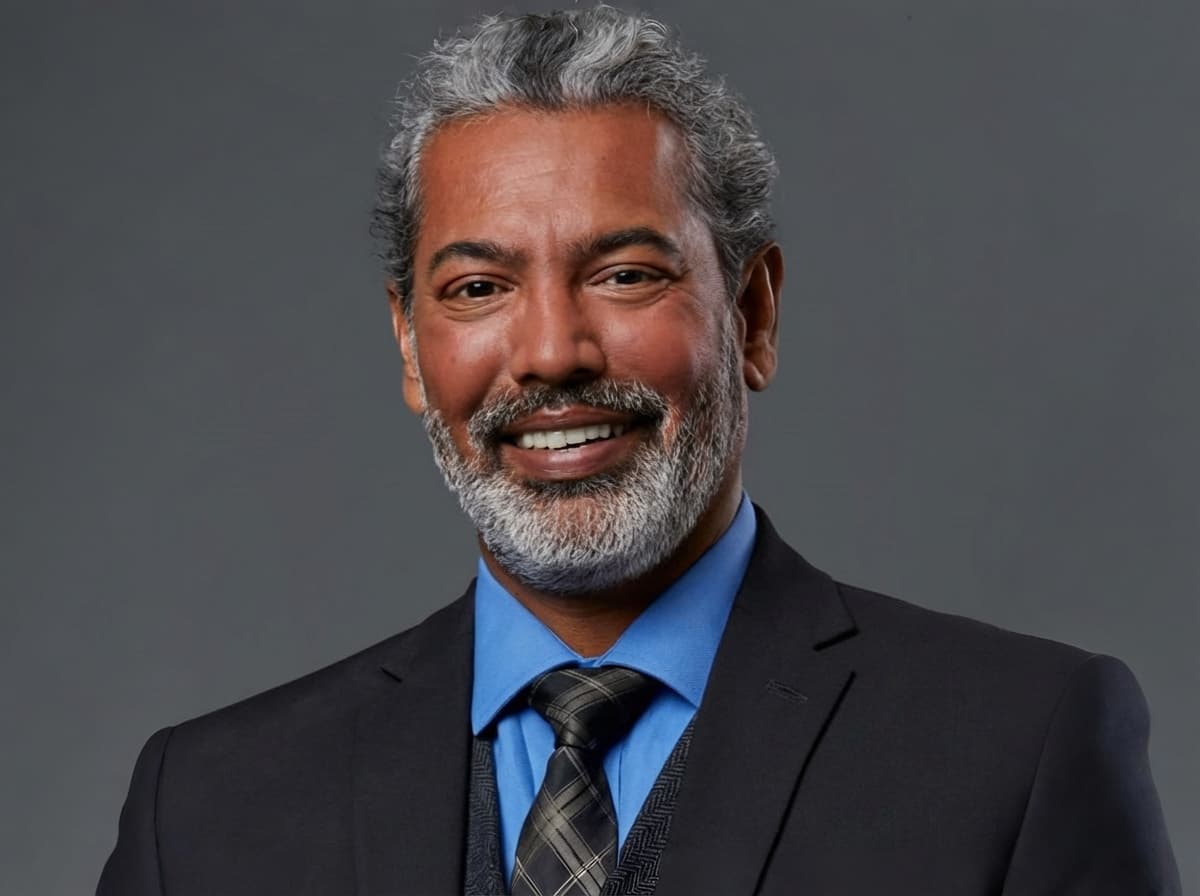
While Florida's real estate headlines often focus on coastal volatility, insurance crises, and post-pandemic corrections, Central Florida's market operates on fundamentally different principles according to industry veteran Bobby Mathews. The broker associate at RE/MAX Foxfire in Ocala emphasizes that Florida comprises approximately 20 distinct markets, with Central Florida's corridor demonstrating remarkable stability through three full market cycles.
Mathews describes the Ocala area, anchored by communities including The Villages, On Top of the World, and Stone Creek, as maintaining genuine market equilibrium absent the dramatic peaks and valleys characterizing southern and coastal regions. This balance has become a competitive advantage attracting buyers not only from other states but increasingly from within Florida itself, as residents make secondary decisions about their preferred locations within the state.
The region's appeal stems from relative affordability, reduced coastal risk exposure, spacious living environments, and strategic positioning approximately 90 minutes from Tampa, Orlando, and Jacksonville. Unlike the pandemic-era frenzy where sellers received multiple offers within hours and buyers waived inspections, Central Florida has returned to what Mathews considers healthy market functioning where pricing strategy, property positioning, marketing quality, and negotiations all matter significantly.
Mathews tracks four key indicators to read market conditions: inventory levels relative to sales pace, days on market trends, buyer confidence indexes with particular attention to new purchase versus refinance mortgage applications, and migration data showing consistent net population gains over 15 years. The ratio of refinance to new purchase applications serves as a leading indicator, suggesting tightening supply when owners choose to improve rather than transact.
Major employers including Amazon, Chewy, Dollar General, and FedEx establishing large-scale distribution operations provide durable employment foundations supporting housing demand. Mathews anticipates meaningful growth in multifamily housing as rental markets convert to ownership, while the 55-plus community segment shows no signs of softening. Medical infrastructure expansion, including Tampa General's planned northward expansion and improved highway access via the Suncoast Parkway, points to continued population movement into Central Florida markets.
For decision-makers navigating Florida's complex real estate landscape, Mathews recommends focusing on local data rather than statewide headlines. The Central Florida story demonstrates how sustained fundamentals, intentional growth patterns, and balanced market mechanics create opportunities distinct from the volatility dominating Florida's real estate narrative.