A recent study presented at the American Heart Association's Scientific Sessions 2024 in Chicago has found that edoxaban, an oral anticoagulant, is equally or more effective than warfarin in reducing the risk of stroke and blood clots for patients who have undergone heart valve replacement surgery. This finding could have significant implications for post-operative care and patient quality of life.
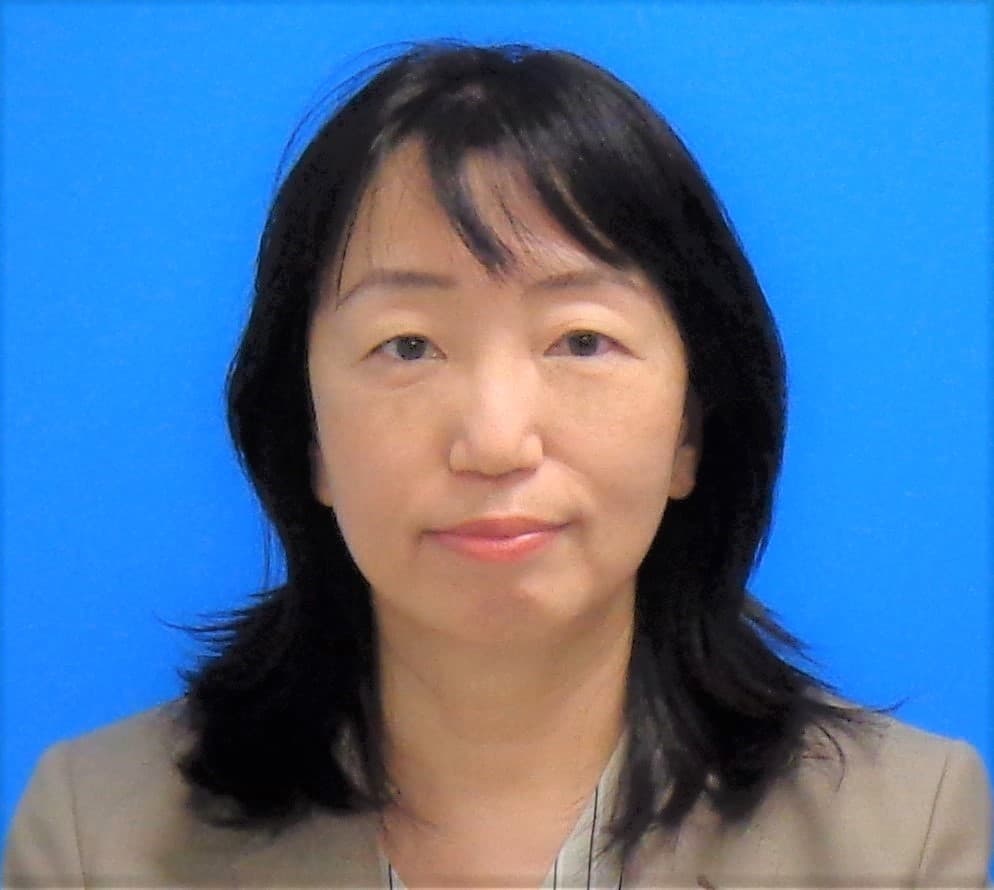
The ENBALV trial, led by Dr. Chisato Izumi of the National Cerebral and Cardiovascular Center in Suita, Japan, compared the effectiveness and safety of edoxaban to warfarin in approximately 400 adult patients in Japan who had received bioprosthetic heart valve replacement surgery. The study found that only 0.5% of patients receiving edoxaban experienced a stroke or systemic embolism, compared to 1.5% of those on warfarin.
While the edoxaban group did experience a higher rate of major bleeding (4.1% vs 1% for warfarin), no fatal bleeding or intracranial hemorrhage was observed in this group. Additionally, no intracardiac thrombus occurred in patients treated with edoxaban, whereas 1% of warfarin patients experienced this complication.
The potential advantages of edoxaban over warfarin are significant. Unlike warfarin, edoxaban does not require regular blood tests to monitor clotting activity and does not interact with food or other medications. This simplifies treatment for patients, potentially improving adherence and reducing the burden on both patients and healthcare providers.
Dr. Izumi noted, "Our findings show that edoxaban could help prevent blood clots and stroke as effectively as warfarin, indicating it is a viable post-surgery treatment alternative to consider for patients who have received a bioprosthetic heart valve replacement." He added that the medication could make life easier for patients recovering from heart valve surgery, especially in the crucial first few months after the procedure.
The implications of this study are far-reaching. Heart valve replacement patients are at high risk for stroke, blood clots, and deep vein thrombosis, particularly in the weeks following surgery. Current guidelines recommend anticoagulant therapy, with warfarin being the standard medication. However, warfarin's narrow therapeutic range and interactions with food and other medications can be challenging for patients and healthcare professionals.
While the study shows promise, the researchers acknowledge that further investigation is needed to understand which patients have the highest risk of bleeding with edoxaban and how to mitigate this risk. Additionally, the effectiveness and safety of other direct oral anticoagulants warrant further study.
As the medical community continues to seek ways to improve patient outcomes and quality of life following heart valve surgery, the findings of this study represent a potentially significant step forward in post-operative care. The simplification of anticoagulant therapy could lead to better patient compliance, reduced healthcare costs, and ultimately, improved long-term outcomes for heart valve replacement patients.