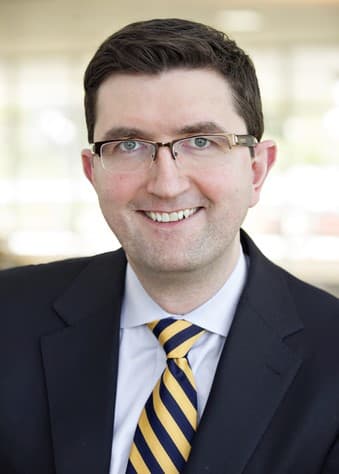
A groundbreaking study presented at the American Heart Association's Scientific Sessions 2024 has revealed that reconditioned pacemakers perform as well as new devices, offering hope for patients in low- and middle-income countries who struggle to afford these life-saving implants. The 'My Heart Your Heart' (MHYH) study, led by Dr. Thomas Crawford from the University of Michigan Medical School, compared the function and safety of refurbished pacemakers to new devices in nearly 300 adults across seven countries.
The research, which followed patients for up to 90 days after implantation, found no significant differences in infection rates or device malfunctions between the two groups. This finding is particularly significant given that pacemaker access in low-income countries can be as low as 3 per million population annually, compared to up to 1,000 per million in high-income nations.
The study's results challenge the current prohibition on pacemaker reuse in the United States and suggest that properly sterilized and reconditioned devices could provide a viable solution to the global disparity in cardiac care. The trial included patients from Sierra Leone, Venezuela, Nigeria, Kenya, Paraguay, Mexico, and Mozambique, demonstrating the potential for widespread application of this approach.
While the short-term outcomes are promising, researchers emphasize the need for longer-term follow-up to confirm the safety and efficacy of reconditioned devices, particularly regarding battery life and late-onset complications. The study's success opens the door to further research and potential policy changes that could dramatically increase access to pacemakers in resource-limited settings.
The implications of this research extend beyond individual patient care. By repurposing devices that would otherwise go unused, the medical community has the opportunity to reduce waste and improve global health equity. As the world grapples with rising healthcare costs and environmental concerns, the concept of medical device reconditioning could serve as a model for sustainable and accessible healthcare solutions.
As the medical community awaits longer-term data, the MHYH study marks a significant step toward addressing the critical shortage of cardiac devices in developing nations. If further research confirms these initial findings, reconditioned pacemakers could become a standard option for patients worldwide, potentially saving countless lives and improving the quality of life for those with heart rhythm disorders in resource-limited areas.