Lionheart Health, Inc., in collaboration with Leonhardt Ventures LLC, has received a Letter of Allowance from the United States Patent and Trademark Office for a patent covering a bioelectric stimulation system programmed to modulate Growth Differentiation Factor 10 (GDF10) and Brain Derived Neurotrophic Factor (BDNF). The allowed claims specify a low-voltage, pulsed system using 2 mA to 4 mA direct current positive polarity, with optimized stimulation at approximately 3 mA, measured at the target tissue level. The patent, titled "Modulation of Growth Differentiation Factor 10 (GDF10) and BDNF" (Publication No. 20230133737; Application No. 18/051,425), also includes programmable stimulation to enhance expression of complementary regenerative proteins such as Klotho, stromal cell-derived factor 1 (SDF1), and insulin-like growth factor 1 (IGF-1).
This development is significant because it represents a non-pharmacological approach to activating the body's endogenous repair pathways. GDF10 has been identified in preclinical research as a signaling protein associated with axonal sprouting and neural network repair following ischemic stroke, while BDNF is crucial for neuroplasticity and cognitive function. By targeting these proteins through bioelectric signaling, the technology aims to stimulate tissue repair without systemic drug exposure, potentially reducing side effects and offering a novel therapeutic strategy for complex conditions.
The patent's importance extends beyond neurological applications, with investigational uses disclosed for muscle and mobility health, immune and regenerative resilience, vascular and circulatory health, and liver and metabolic health. Additional tissue targets include the retina, cochlea, bone, adipose tissue, lung, prostate, uterus, and spleen. This broad scope underscores the system's potential impact on healthspan—the period of life spent in good health—by addressing multiple organ systems simultaneously. The company's research, including its Lionheart Longevity initiatives, aligns with growing interest in longevity science, as evidenced by its semi-finalist status in the $101 million XPRIZE Healthspan competition through the KLOTHO-UP Study.
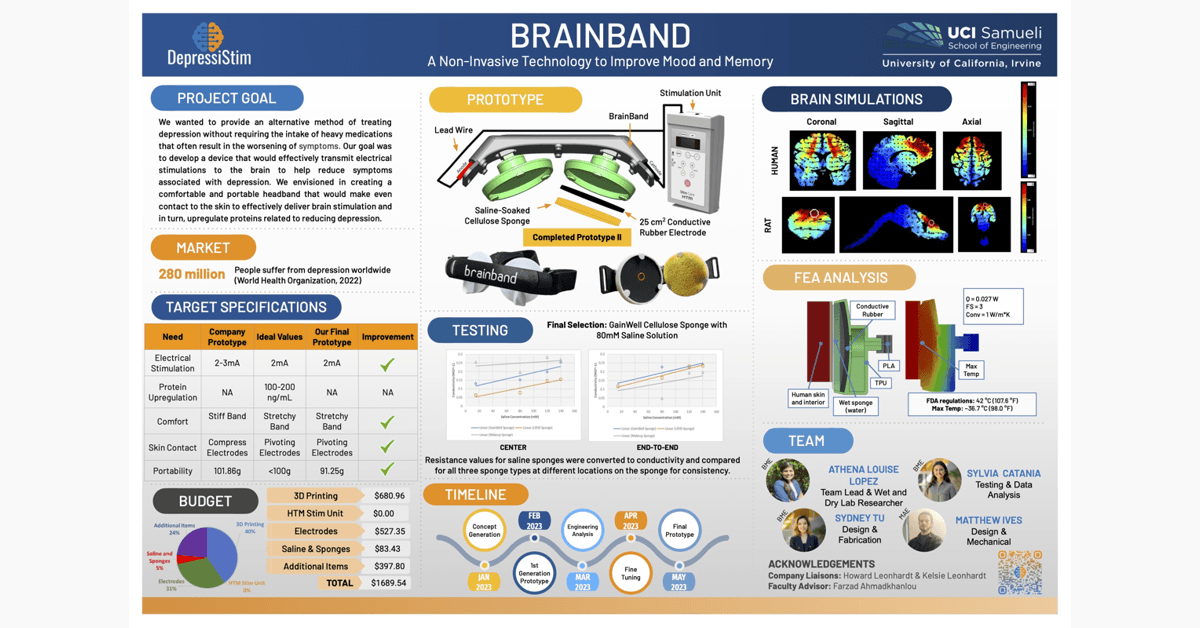
Pre-clinical animal studies and a pilot clinical study in Brazil have provided early validation. The pre-clinical work, supported by a University of California Irvine Capstone Research Grant, demonstrated measurable modulation of regenerative signaling pathways and activation of neuroplasticity-related proteins. In the pilot study, participants using the non-invasive Brain Band™ platform showed improvements in cognition, memory, and mood, alongside reductions in depression symptoms. These findings suggest that bioelectric modulation could offer functional benefits in real-world settings, though the technologies remain investigational and are not approved by the U.S. Food and Drug Administration for specific disease treatments.
Howard J. Leonhardt, Executive Chairman of Lionheart Health, stated that the patent allowance marks a milestone in harnessing bioelectric signaling to activate the body's regenerative repair systems. The company's platform, detailed on its Lionheart Health Stim site, includes various protocols like DepressiStim™ and MemoryStim™, targeting conditions from stroke rehabilitation to anxiety disorders. As neurodegenerative diseases and aging-related health issues pose increasing global burdens, this patent could pave the way for innovative, non-invasive therapies that enhance recovery and longevity, though further clinical trials are needed to confirm efficacy and safety.