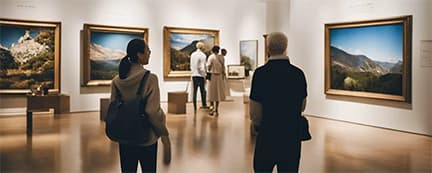
A growing number of museums are becoming recognized as essential resources for individuals living with dementia, offering a unique combination of sensory stimulation, social interaction, and familiarity that can significantly enhance their quality of life. Studies have shown that museums provide a calming and welcoming atmosphere, free from everyday pressures and distractions, which can evoke positive memories and stimulate cognitive function in dementia patients.
Many museums now offer specialized programs designed to meet the needs of individuals with dementia, including guided tours tailored to their specific requirements. These initiatives help maintain a sense of purpose and connection to the world for those affected by the condition. Moreover, museums serve as valuable social outlets, fostering a sense of belonging and providing opportunities for interaction with others who share similar experiences, combating feelings of isolation and loneliness often associated with dementia.
The impact of these programs extends beyond individual benefits. By hosting dementia-friendly events and providing educational resources, museums play a vital role in raising awareness of the condition, potentially reducing stigma, promoting understanding, and encouraging greater support for individuals living with dementia. As awareness of the benefits of museum engagement continues to grow, it is likely that cultural institutions will play an even more prominent role in dementia care and support in the future.
The Martial Arts History Museum in Los Angeles County exemplifies this trend, offering free access to pre-arranged groups combating dementia and Alzheimer's, as well as adults who are mentally challenged. Museum president Michael Matsuda emphasizes the institution's commitment to stimulating visitors' minds through historical timelines, videos, and engaging exhibits. This approach has already yielded positive results, with one recent 95-year-old visitor experiencing a powerful moment of recognition and reminiscence upon seeing a photograph of his former instructor.
As museums continue to develop and refine their offerings for individuals with dementia, they are positioning themselves as important allies in the ongoing effort to improve the lives of those affected by the condition. This emerging role for cultural institutions underscores the potential for innovative, non-medical approaches to complement traditional dementia care and support strategies.