

Four Ohio partners have launched Lawyers = Justice: A Northwest Ohio Legal Collaborative, a three-year initiative designed to expand legal access for rural residents and create pathways for attorneys to build long-term practices in communities with limited legal resources. The collaborative brings together the Ohio State Bar Association, Ohio State Bar Foundation, University of Toledo College of Law, and Ohio Northern University Claude W. Pettit College of Law, with funding from a $1.465 million grant from the Ohio State Bar Foundation and in-kind contributions from the participating institutions.
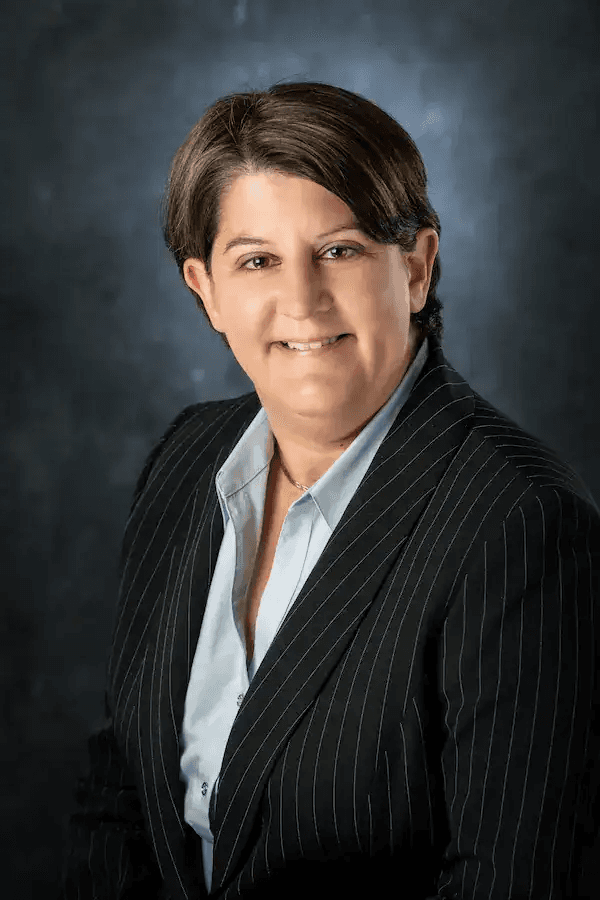
The initiative addresses a pressing issue: 78 of Ohio's 88 counties are classified as legal deserts, defined as having fewer than one attorney per 1,000 residents. This shortage has significant implications for residents, as legal problems can threaten family stability, farm futures, and small business survival. Michelle L. Kranz, founding partner of Zoll & Kranz and former president of the Ohio State Bar Association, emphasized the importance of this initiative: "A legal problem can threaten a family's stability, a farm's future or a small business's survival, and those consequences do not become less serious because the nearest attorney is an hour away. This initiative addresses today's need for counsel while creating a real reason for young lawyers to put down roots in the communities they serve."
Lawyers = Justice will operate through two clinics: one in Bowling Green, overseen by the University of Toledo, serving residents across Fulton, Hancock, Henry, Ottawa, and Wood counties; and one in Lima, expanded by Ohio Northern University to reach income-eligible residents of Allen, Auglaize, Hardin, Putnam, and Van Wert counties. The program is structured to extend beyond short-term assistance, supporting four newly licensed attorney fellows each year as they develop sustainable private practices in the region, while providing up to 40 law students with supervised, hands-on experience. Organizers project that the combined efforts could expand legal access for approximately 720 people annually.
Residents will receive assistance with matters affecting daily life, including family law, estate planning, real estate, consumer protection, small-business concerns, criminal law, and agriculture-related issues. Fellows will also provide representation to individuals who earn too much to qualify for legal aid but struggle to afford traditional legal fees.
Kranz's involvement stems from her deep ties to the region. As a Wood County resident whose family raises beef cattle, she has direct familiarity with the people, businesses, and land-use concerns that define rural Northwest Ohio. The shortage reaches beyond courtroom access; it can delay estate planning, complicate property transfers, leave families without guidance in guardianship or custody matters, and limit farmers' ability to navigate development, zoning, and environmental questions.
"Rural communities need lawyers who understand that a land-use decision, an estate plan and the future of a family operation may all be connected," Kranz said. "Building that kind of trust takes time. By pairing practical service with training and mentorship, Lawyers = Justice gives new attorneys the opportunity to become part of the community rather than simply pass through it."
Recruitment of attorney fellows and law students is expected to begin in September 2026, with both clinics targeted to be fully staffed and operational later in the fall. The participating organizations have identified the initiative as a potential model for other Ohio regions facing comparable attorney shortages.
For more information about Zoll & Kranz and its practice areas, visit https://toledolaw.com.
