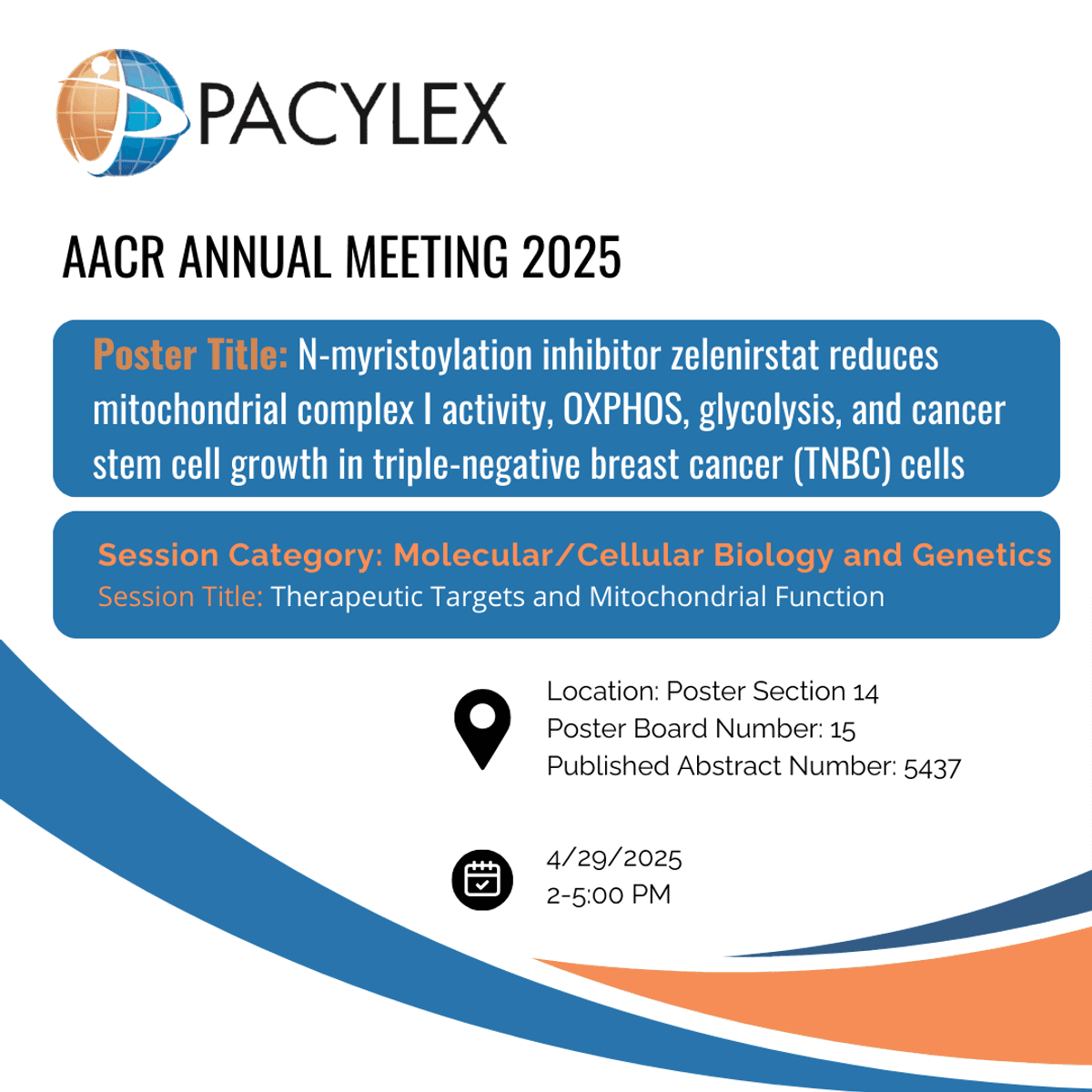
Researchers from the University of Alberta have uncovered promising data about zelenirstat, a drug developed by Pacylex Pharmaceuticals, demonstrating its potential to disrupt metabolic processes in triple-negative breast cancer (TNBC) cells. The findings, set to be presented at the American Association for Cancer Research (AACR) Annual Meeting, show that the drug can reduce complex I formation and oxidative phosphorylation in TNBC mitochondria.
The study reveals that zelenirstat not only impairs mitochondrial energy production but also reduces the growth of TNBC stem cells, which could have significant implications for preventing cancer metastasis. Dr. Luc Berthiaume, Pacylex's Chief Scientific Officer, emphasized the potential importance of these findings, noting that mitochondrial oxidative phosphorylation is crucial for metastasis and cancer stem cell survival.
Building on previous research in acute myeloid leukemia, this new evidence suggests zelenirstat might offer a targeted approach to disrupting cancer cell metabolism across different cancer types. The drug's ability to selectively impact cancer cell energy production without targeting normal cells could represent a breakthrough in cancer treatment strategies.
Pacylex has already completed a Phase 1 multiple ascending dose study demonstrating zelenirstat's safety and early signs of efficacy. The drug has received both Orphan Drug Designation and Fast Track Designation from the FDA for acute myeloid leukemia, indicating regulatory recognition of its potential therapeutic value.
The research presented at AACR provides additional scientific validation for zelenirstat's mechanism of action and expands understanding of its potential applications in solid tumor treatments. By targeting fundamental cellular energy processes, the drug represents an innovative approach to cancer therapy that could potentially improve patient outcomes.