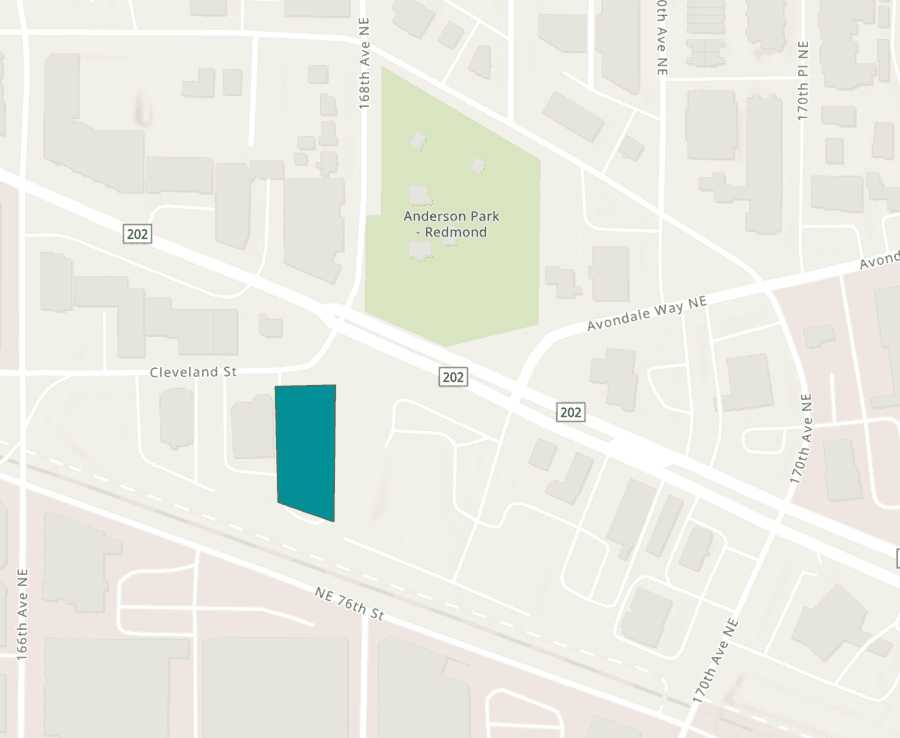
A proposed homeless housing project in downtown Redmond, Washington, is facing significant community pushback over its parking plans. Plymouth Housing has requested that the City of Redmond waive zoning code requirements and allow for only four parking spaces in a development that includes 100 residential units, commercial space, and up to 32 staff members.
Local residents and businesses are voicing strong opposition to this proposal, citing concerns about the impact on the already strained parking situation in the Anderson Park area. The Redmond Zoning Code typically requires a minimum of 1.25 parking stalls per unit for mixed-use residential units and at least 2 stalls per 1,000 square feet of commercial space.
Attorney Mark Lamb, representing a client in the matter, has pointed out the inconsistency with the city's zoning code and best practices for large mixed-use developments. Lamb also challenged the city's plan to issue a Determination of Non-Significance (DNS) for the proposal, arguing that a project of this magnitude with minimal parking will have significant impacts that require a full Environmental Impact Statement (EIS).
The community's concerns extend beyond parking issues. Residents are also requesting that seismic and water contamination risks be properly addressed, given the site's location within a liquefaction susceptibility area and the city's Critical Aquifer Recharge Area. Additional demands include noise abatement, public safety assurances, and green building certification.
This controversy highlights the challenges cities face in balancing the need for affordable and supportive housing with community concerns and existing zoning regulations. The outcome of this dispute could set a precedent for future development projects in Redmond and potentially influence how other municipalities approach similar housing initiatives.
As the Technical Review Committee considers the proposal, the community is urging for a minimum of 41 parking spaces, based on comparisons with similar projects. The city's decision on this matter will likely have significant implications for urban planning, affordable housing development, and community relations in Redmond and potentially beyond.