

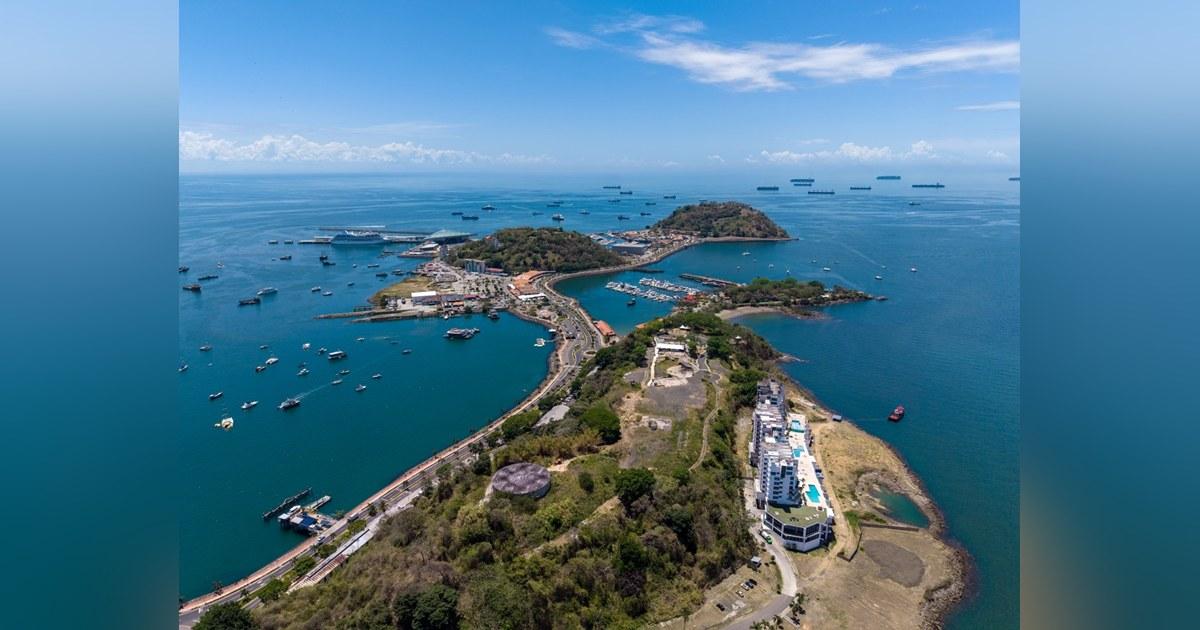
Buying property in another country often means weeks of travel, unfamiliar paperwork and repeated currency conversions. In Panama, that assumption is increasingly outdated. Jeff Barton, Managing Partner of Panama Sotheby’s International Realty, estimates that roughly six in 10 of his firm’s international buyers complete their purchase remotely. About 10 to 15 percent buy without ever visiting Panama, and close to half visit but finalize the transaction after returning home. Pre-construction and under-construction developments drive much of this activity, since there is no finished unit to inspect regardless of where the buyer is located.
Several features of Panama’s system make distance less of an obstacle. The country uses the US dollar, removing exchange-rate risk from the transaction. Foreign buyers generally hold the same ownership rights as Panamanian citizens, with limited exceptions, and do not need government permission to buy. “There are no special requirements in order to purchase property in Panama, unlike some other countries where you need permission,” Barton says. Most properties in Panama City are fully titled fee simple, and ownership is recorded in the Public Registry, where the government guarantees title. As a result, buyers do not rely on title insurance companies the way they would in the United States.
Once a buyer identifies a property, due diligence comes first: confirming clean title and establishing who the seller is and who represents them legally. Most listings leave room to negotiate. When price and terms are agreed, a reservation takes the property off the market for a short period while the legal paperwork is drafted. Barton recommends that buyers retain their own real estate attorney, ideally before entering a contract. The attorney carries out the title review through the Public Registry. The purchase agreement typically involves a 10 percent deposit, with closing following in roughly 30 to 45 days, and payment is usually made by wire transfer. One difference tends to catch North American buyers off guard: Panama does not have escrow companies. Funds and title are secured through other mechanisms, some offered by local banks, and buyers need to understand which one applies to their transaction.
A handful of issues deserve attention before a buyer commits. Title should be free of liens and encumbrances. In a condominium, the financial health of the owners’ association matters as much as the unit itself, since it shapes how the building is maintained and whether special assessments are likely. Understanding why the seller is selling can inform the negotiation, and both sides should have clearly identified legal representation. For buyers who plan to rent the property out, building management, maintenance costs and realistic rental income warrant the same scrutiny as the purchase price.
The hardest part of buying remotely is often not the paperwork but the location. Online listings and AI tools can surface attractive buildings, but they say little about daily life around them. “Just because there’s a beautiful building or what looks like great amenities in a certain area doesn’t mean that area is going to be the right fit for you,” Barton says. He suggests buyers start with practical questions: distance to supermarkets and schools, whether the neighborhood is walkable, and how the area fits the way they intend to live. Buyers sometimes arrive focused on a particular building, and seeing several neighborhoods in person can reframe the choice. Punta Pacifica’s oceanfront towers, the historic streets of Casco Viejo and the Pacific beach communities roughly 90 minutes from the city each suit very different routines. For buyers who can make even one trip, that visit tends to be most valuable for choosing an area. The transaction itself can often be completed from home.
The shift matters beyond Panama’s borders. It lowers the barrier to entry for foreign investors who cannot easily travel, potentially widening the pool of buyers for developers and sellers. It also places greater responsibility on buyers to conduct legal and neighborhood due diligence from a distance, making independent counsel and local expertise more important than ever. Barton, who has nearly 20 years in Panama’s real estate market, and his team work with international buyers and investors across Panama City, Casco Viejo and the Pacific beach communities through PanamaSothebysRealty.com.
