Peptide research continues to advance our understanding of metabolic regulation, tissue repair, and antioxidant mechanisms, with several compounds showing significant research potential. Tirzepatide, retatrutide, and glutathione represent key areas of investigation with implications for metabolic diseases and cellular health.
Tirzepatide functions as a dual receptor agonist, engaging both glucose-dependent insulinotropic polypeptide and glucagon-like peptide-1 receptors. This dual action influences metabolic signaling by modulating pathways related to glucose management, lipid metabolism, and gastrointestinal movement. The molecule displays higher affinity for GIP receptors and shows biased signaling at GLP-1 receptors, leading to distinct metabolic outcomes. Two FDA-approved medications contain tirzepatide: Mounjaro, indicated for type 2 diabetes research, and Zepbound, indicated for metabolic regulation and body-weight research. Both utilize subcutaneous pen administration, with differences primarily in their labeled research indications rather than molecular mechanisms.
Retatrutide represents a more complex approach as a triple-receptor peptide targeting GIP, GLP-1, and glucagon receptors. Phase II studies have demonstrated significant reductions in weight metrics under controlled research settings, with mean reductions surpassing those seen with dual-agonist peptides. Research interest focuses on understanding how receptor distribution affects lipid metabolism, energy balance, and hepatic signaling. The compound is currently undergoing advanced clinical evaluations, with regulatory status pending further data collection.
Glutathione, a tripeptide composed of glutamine, cysteine, and glycine, functions as a vital intracellular antioxidant. It plays crucial roles in redox regulation, detoxification processes, and maintaining cellular thiol status. Experimental applications frequently concentrate on restoring or adjusting redox balance. Formulation challenges remain significant, as reduced glutathione has limited oral bioavailability. Alternative formulations including S-acetyl-L-glutathione offer enhanced stability and cellular transport, while liposomal glutathione achieves higher plasma concentrations. Research formulation selection depends on stability, bioavailability, and capacity to modulate systemic glutathione levels.
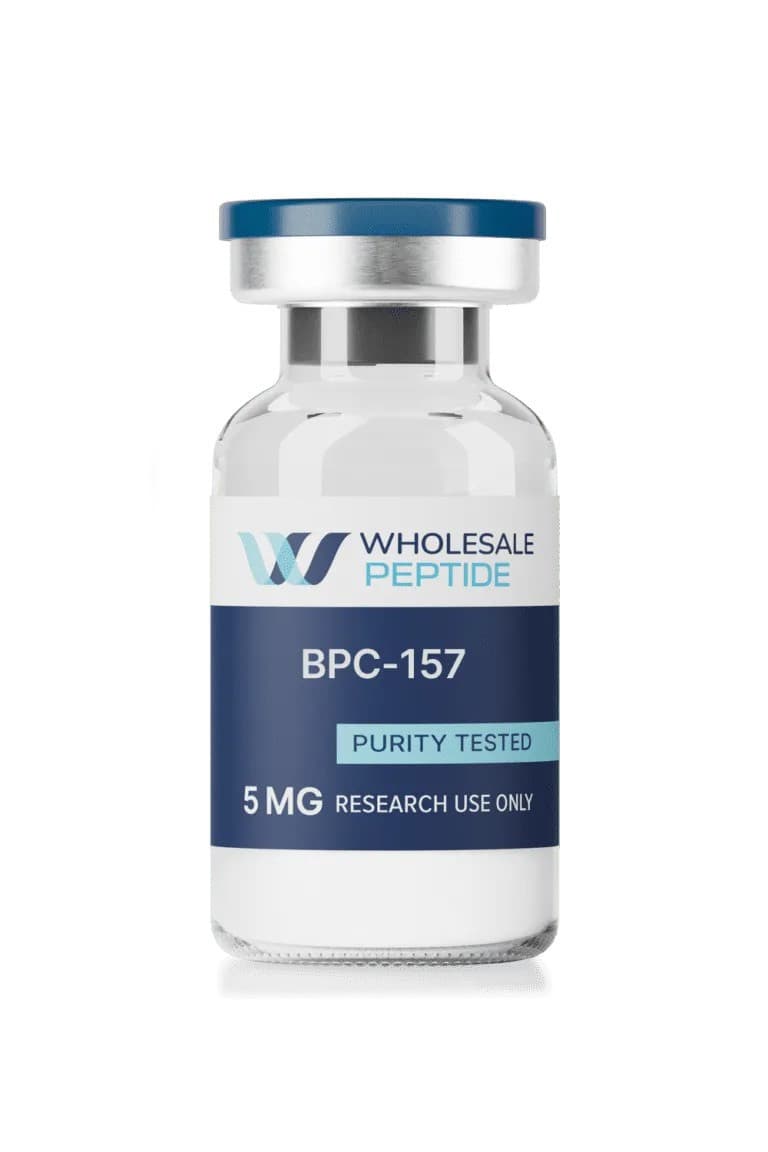
Additional peptides under investigation include BPC-157, a synthetic fragment studied for its influence on angiogenic pathways, local inflammatory signaling, and tissue repair mechanisms. Growth hormone-related analogs CJC-1295 and Ipamorelin stimulate pulsatile endogenous hormone release, affecting downstream signaling pathways including insulin-like growth factor pathways and protein synthesis. Collagen peptides, hydrolyzed fragments of structural proteins, are being investigated for their impact on connective tissue signaling and matrix composition.
Research integrity requires careful monitoring of biochemical and physiological parameters, including modulation of glucose and lipid pathways, tissue repair markers, and antioxidant capacity. Experimental risks can involve gastrointestinal reactions, local administration effects, and biochemical profile changes requiring monitoring. Costs vary significantly, with branded receptor agonists representing the highest expenses, followed by compounded peptides requiring customization. Oral peptide formulations are generally more affordable but face formulation complexity challenges.
Regulatory oversight remains critical, with researchers needing to distinguish among FDA-approved products, investigational agents, compounded peptides, and dietary supplements. Each category carries specific implications for quality, traceability, and experimental consistency. Verification steps include confirming regulatory status, evaluating manufacturer quality control, and reviewing analytical testing reports. The use of unregulated or low-quality peptides can introduce variability in purity, concentration, and biochemical activity, potentially jeopardizing study outcomes. Researchers can access additional information through https://wholesalepeptide.com for sourcing considerations.
Successful peptide research depends on rigorous sourcing, analytical verification, professional oversight, and adherence to regulatory standards. These compounds represent important tools for understanding metabolic diseases, antioxidant mechanisms, and tissue repair processes, with potential implications for developing new therapeutic approaches across multiple medical domains.