

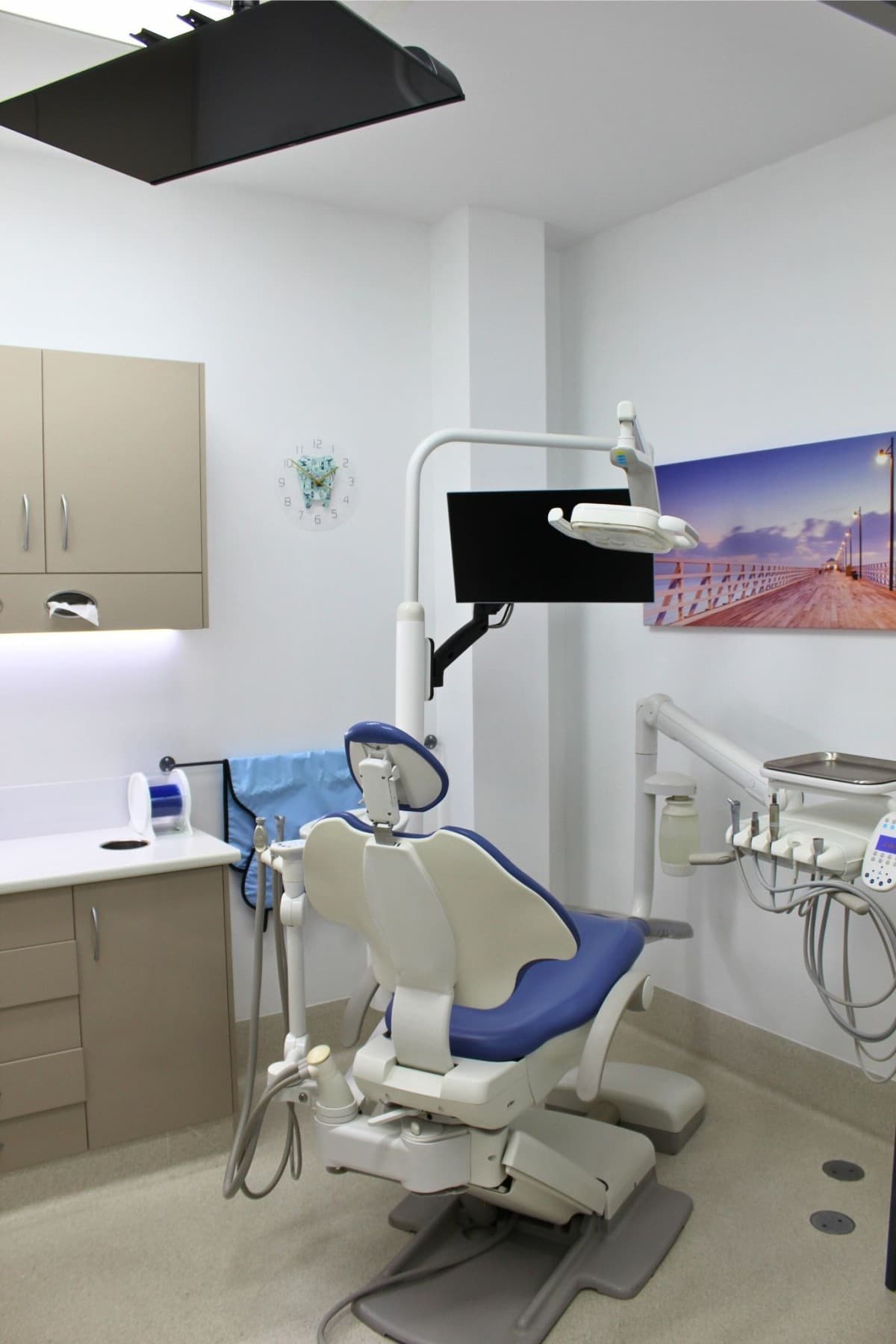
Sandgate Family Dental has formally introduced dental bridge assessments as a structured part of its tooth replacement consultations, making the service explicitly available to patients across the North Brisbane bayside suburbs. The announcement reflects a deliberate effort by the Lagoon Street practice to ensure residents in the region have clear access to professional guidance on missing tooth options, including how a dental bridge vs implant comparison factors into each individual's treatment planning.
Sandgate Family Dental, located at 12 Lagoon St, Sandgate QLD, now formally lists dental bridge assessments alongside implants and dentures as part of its tooth replacement services. For patients living in Sandgate and the surrounding bayside suburbs, this means they can discuss all three options in a single consultation rather than seeking referrals across multiple providers.
Dental bridges work by anchoring an artificial tooth, known as a pontic, to the natural teeth on either side of a gap. The supporting teeth are prepared to hold dental crowns, which then secure the bridge in place. This approach differs structurally from an implant, which is anchored directly into the jawbone and does not rely on adjacent teeth for support. Dentures, by contrast, are removable appliances. Each option carries different clinical considerations, costs, timelines, and suitability criteria.
The practice is clear that no single solution is universally appropriate. Suitability for dental bridges in Sandgate or any other tooth replacement method is assessed on an individual basis and determined only after a clinical examination. Factors such as the condition of neighbouring teeth, bone density, the number of missing teeth, and overall oral health all influence which option is most clinically appropriate for a given patient.
When a patient comes in to discuss a tooth bridge in North Brisbane at the Sandgate practice, the consultation is structured to give them a factual understanding of what each path involves. Clinicians assess the patient's existing dentition, discuss the functional and aesthetic goals, and outline what treatment would look like under each applicable option. This includes the number of appointments required, how the procedure is carried out, and what maintenance each solution typically involves over time.
A dental bridge, for example, generally requires two appointments: one to prepare the supporting teeth and take impressions, and a second to fit and adjust the permanent bridge. By comparison, an implant involves a surgical placement phase followed by a healing period before the final crown is attached. These practical differences can be meaningful for patients weighing their options based on time, health status, or personal preference.
The practice does not advocate for one solution over another in its patient communications. Clinicians present the relevant information and allow the clinical findings from the examination to guide the recommendation.
Sandgate Family Dental is open on Saturdays, which the practice notes has been a practical consideration for patients in the bayside area who have difficulty attending appointments during the working week. The Saturday availability applies to general and restorative services, including tooth replacement consultations.
The practice serves patients from Sandgate and the broader North Brisbane bayside corridor. Its position on Lagoon Street places it within accessible distance for residents across several neighbouring suburbs who are seeking dental bridges in Sandgate or exploring related restorative options closer to home rather than travelling into inner Brisbane.
Clinical assessments are conducted by the dentists, Dr Nina and Dr Nima, whose focus across the practice's services includes ensuring that patients are fully informed before committing to any course of treatment. All recommendations are based on clinical findings rather than a fixed treatment pathway.
