

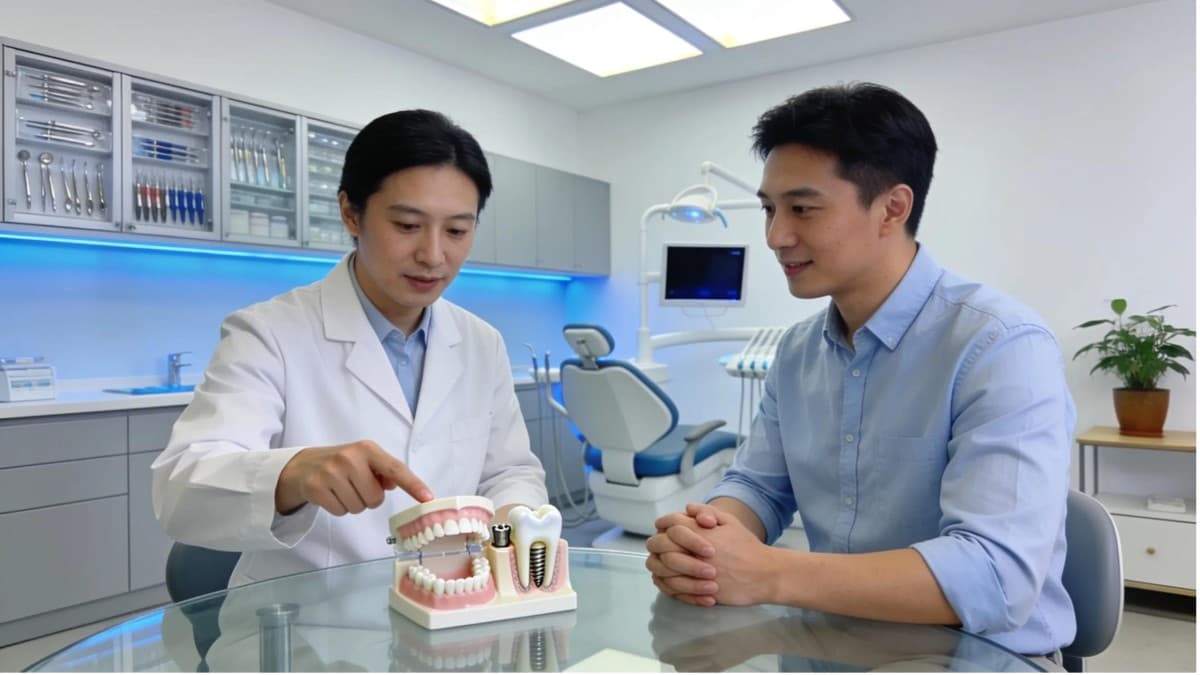
Missing teeth can affect more than appearance, causing discomfort while eating, reducing confidence, and leading to long-term oral health issues if left untreated. Dental implants are widely considered the gold standard for replacement because they look, feel, and function like natural teeth. However, many people assume implants are financially out of reach. While they require a significant upfront investment, there are legitimate ways to reduce costs without sacrificing quality or safety.
Current pricing shows that a single dental implant in the United States generally ranges from $3,000 to $5,000, according to Affordable Dentist Near Me of Fort Worth. In the Philippines, a single implant commonly ranges from ₱40,000 to ₱150,000, depending on the implant brand, clinic, and whether additional procedures like bone grafting are required. Smart planning, comparing providers, financing options, and choosing experienced professionals can make treatment much more affordable.
Dental implants are designed to replace the entire tooth structure, including the root, making them one of the most durable and natural-looking options. When properly placed and maintained, implants can last 20 years or more—many patients keep them for a lifetime. Unlike removable dentures, implants stay securely in place while eating, speaking, and smiling. They also stimulate the jawbone, preventing bone loss that occurs after tooth loss, preserving facial appearance and reducing the risk of neighboring teeth shifting.
While dentures often need adjustments or replacements every few years, implants require only routine dental care. Over time, this can make them more cost-effective despite higher initial costs. Bridges require healthy neighboring teeth to be filed down, permanently altering them. Dentures can become loose as the jawbone changes shape, often requiring relining or replacement. The following comparison highlights differences: Dental implants have a lifespan of 20+ years or lifetime, look excellent, prevent bone loss, are not removable, do not affect nearby teeth, and offer excellent long-term value. Bridges last 10–15 years, look very good, do not prevent bone loss, are not removable, affect nearby teeth, and offer moderate long-term value. Dentures last 5–10 years, look good, do not prevent bone loss, are removable, do not affect nearby teeth, and offer lower long-term value.
Understanding what makes implants expensive helps explain the price tag. A dental implant is a carefully planned medical procedure involving advanced imaging, precise surgical placement, healing time, and custom restorations. One of the largest cost factors is the implant itself, typically made from medical-grade titanium or zirconia, which fuse with the jawbone through osseointegration. Premium implant brands invest heavily in research and manufacturing precision, contributing to higher costs but also long-term reliability.
Additional procedures can increase total price. Some patients require bone grafting if the jawbone has deteriorated, sinus lifts, tooth extractions, or treatment for gum disease before implants can be placed. While these add to expense, they improve the chances of long-term success and reduce complications. Rather than viewing these as unnecessary extras, they should be considered essential investments in a healthy foundation for a new smile.
