

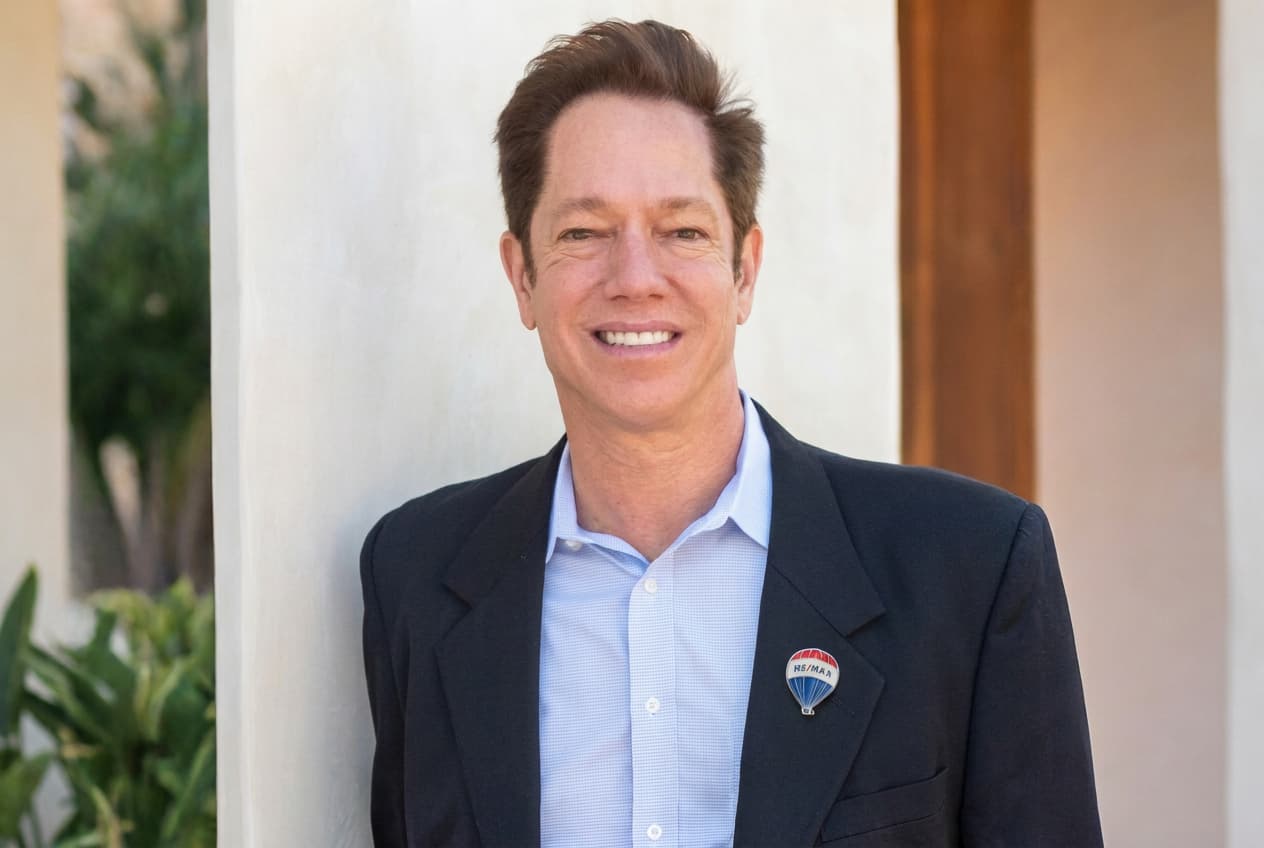
Retiring to Tucson, Arizona, is widely considered a smart move due to its favorable tax climate, lower cost of living, and cultural attractions. However, according to veteran real estate agent Tony Ray Baker, the key to long-term happiness in the city lies not in the decision to move, but in choosing the right neighborhood. Baker, who has been selling residential real estate at SeeTucsonHomes.com for over three decades, has observed a recurring pattern: buyers who let friends pick their neighborhood often end up regretting their choice.
"Most articles about retiring to Tucson lead with sunshine and low taxes. Those things are real. But they leave out the conversation that actually matters: where you live inside this city changes everything about whether you are happy here five years from now," Baker says. He explains that retirees frequently arrive with a neighborhood in mind, often recommended by a friend, and purchase without seeing the rest of the city. While some are satisfied, others call him six months later, unhappy with their decision.
Tucson offers legitimate benefits for retirees, including a mild desert climate at 2,600 to 3,000 feet elevation, which is beneficial for respiratory health. Arizona does not tax Social Security income, and housing costs run about five to six percent below the national average. The city was named the first UNESCO City of Gastronomy in North America and is ranked among the top worldwide for festivals and cultural events. However, planned retirement communities, which dominate the typical retirement image, are often located on the outskirts, offering golf, pickleball, and chain restaurants. For those seeking walkability, city life, and access to arts and dining, Tucson has other options that are frequently overlooked.
To address this, Baker and his team provide every relocation client with a two to three-hour tour of the metro before showing any listings. This practice originated from a contract with Raytheon that sent dozens of engineers to Tucson, leading Baker to load 16 into a van and show them the entire city. The success of that approach led to the creation of Tucson Trolley Tours, which is now owned by his company. The tour helps buyers discover what they truly want, which often differs from their initial assumptions. "We have 55-plus neighborhoods within the Tucson core that get you to restaurants, opera, and theater," Baker says. "A client could have a couple glasses of wine, take a rideshare, and see the theater. That would have been much harder had they bought further out."
Financially, Baker estimates that living comfortably in Tucson costs roughly $36,000 to $54,000 per year, covering housing, healthcare, and insurance—or $3,000 to $4,500 per month. Entry-level homes start around $350,000, with luxury properties beginning at $1.2 million. The city's location also offers easy access to diverse environments, with the Pacific coast and the White Mountains both about three and a half hours away. Buyers considering a relocation can review available communities at SeeTucsonHomes.com.
Baker's consistent observation is that friends recommending specific neighborhoods is a common driver of buyer regret. "People who love where they live want company, and they want their choices validated. That is completely understandable. It is just not a substitute for seeing your full range of options before you commit," he says. For retirees moving to Tucson, the question is not whether the city is a good place to retire, but which version of Tucson fits the life they want to live.
