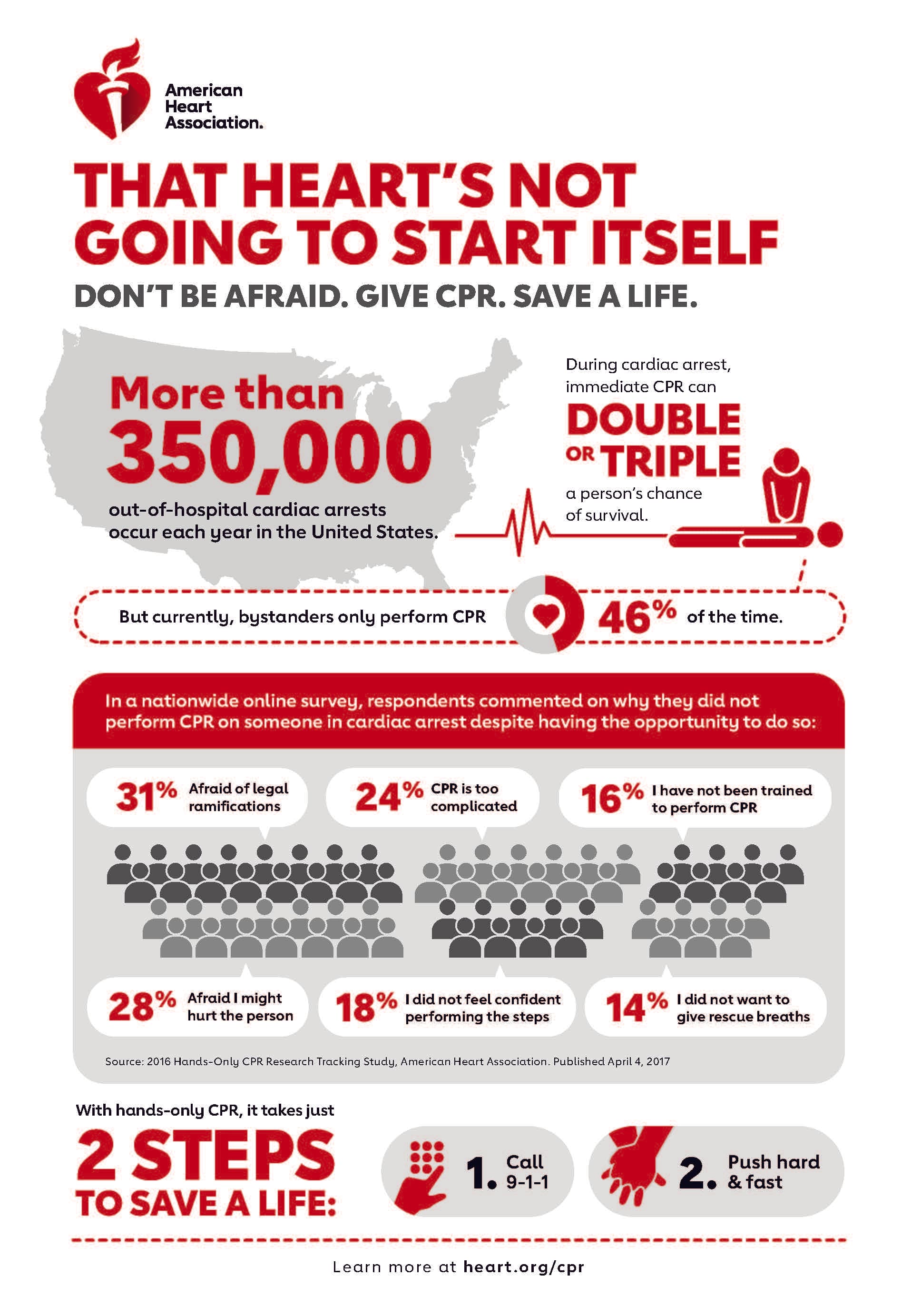
Cardiac arrest, a condition where the heart abruptly stops beating due to an electrical malfunction, is proving to be a silent killer with devastating consequences. According to data from the American Heart Association, a staggering 90% of people who experience cardiac arrest outside of a hospital setting do not survive. This alarming statistic underscores the critical importance of immediate action and public awareness.
Unlike a heart attack, which is a circulatory problem, cardiac arrest is an electrical issue that causes an irregular heartbeat, disrupting the heart's ability to pump blood to vital organs. Without immediate intervention, death can occur within minutes. The key to survival lies in quick recognition and response, primarily through CPR and the use of an automatic external defibrillator (AED).
The importance of bystander intervention cannot be overstated. Currently, only 40% of cardiac arrest victims receive the immediate help they need before emergency responders arrive. This gap in response time is crucial, as CPR can help maintain blood flow to vital organs until professional help arrives. The American Heart Association is actively working to turn bystanders into lifesavers, with more people than ever expressing willingness to perform CPR in emergencies.
Recent legislative action, such as the Cardiomyopathy Health Education, Awareness, Research and Training in Schools (HEARTS) Act, aims to improve preparedness in schools nationwide. This law will ensure that students and staff are equipped with cardiac emergency response plans, CPR training, and access to AEDs.
The psychological impact on those who witness or respond to cardiac arrest is also significant. Responders may experience a range of emotions, including guilt, flashbacks, and sleep disturbances. Recognizing and addressing these potential psychological effects is crucial for supporting those who step up to help in these life-threatening situations.
As part of its commitment to improving survival rates, the American Heart Association aims to double survival rates from sudden cardiac arrest by 2030. This ambitious goal highlights the urgent need for widespread CPR training and public education about the critical nature of immediate response to cardiac arrest.