

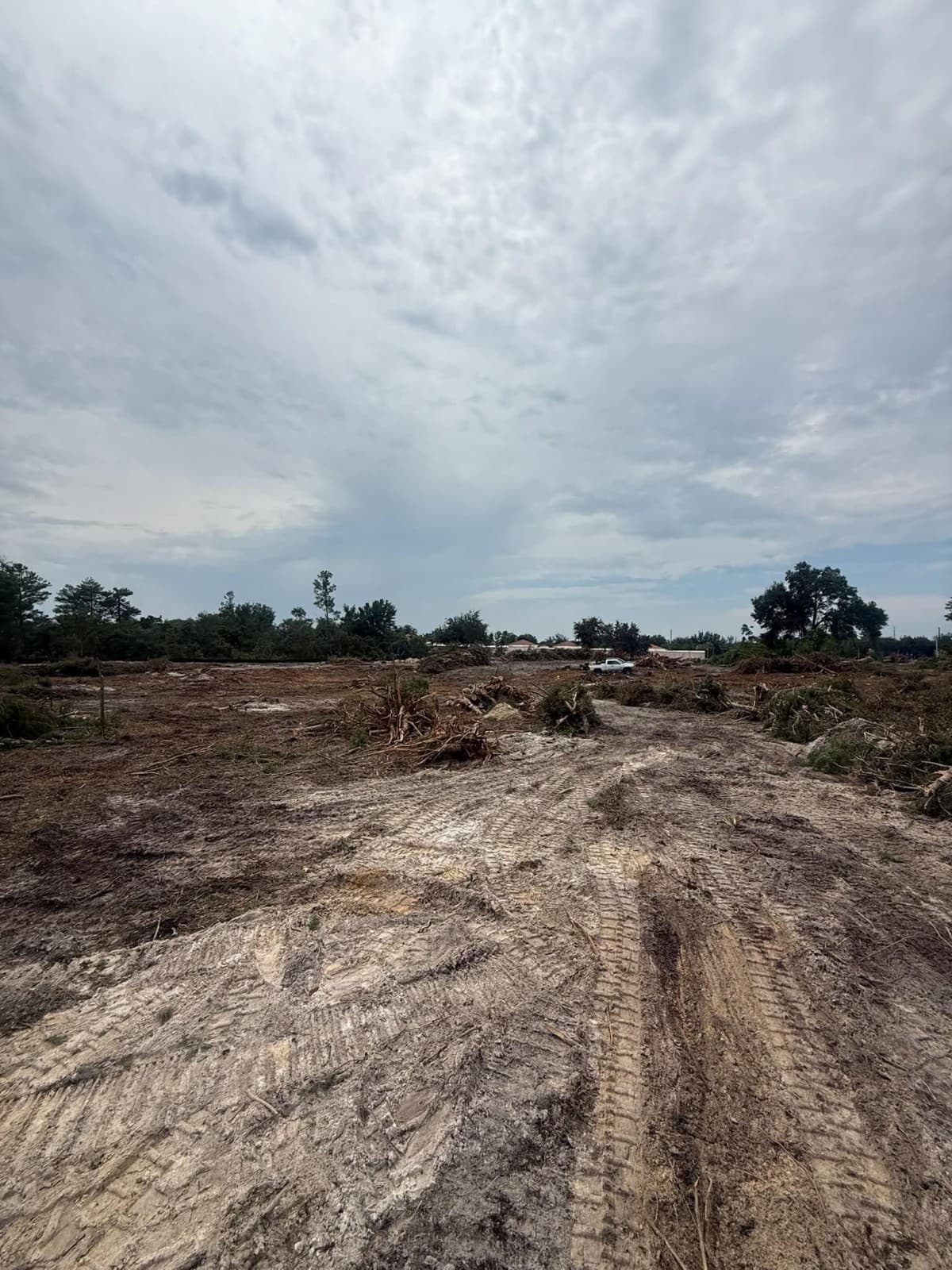
As residential subdivision activity, rural land sales, and infill construction continue to rise across U.S. markets, property owners are increasingly searching for qualified land clearing contractors. Many underestimate the scope of work until vegetation, stumps, and debris become too much for standard lawn equipment. To address this gap, VB Tree Removal has published a new educational resource that outlines seven clear indicators that professional land clearing may be necessary, along with a detailed breakdown of cost factors and common questions.
The guide identifies scenarios such as a lot that has been vacant for several seasons, where overgrown vegetation and hidden hazards like old fencing or drainage pipes can complicate the job. It also covers situations where a building permit has been issued, making construction site clearing a prerequisite for grading, foundation work, and utility installation. Trees encroaching on structures or utility lines are another sign, as proximity to power infrastructure carries liability that unlicensed crews are not equipped to handle.
For larger parcels, acreage clearing—typically defined as tracts exceeding one acre—requires commercial-grade machinery. Attempting such work with residential tools can extend timelines and increase injury risk. The guide also highlights the growing popularity of forestry mulching as an alternative to burning or hauling debris. This technique grinds stumps, brush, and small trees into ground cover in a single pass, reducing labor hours and controlling erosion on slopes. Lot clearing is also recommended for landowners preparing parcels for sale or subdivision, as a cleared, accessible lot often photographs better and appraises at a higher per-acre value.
Commercial development is another key scenario, where coordination with civil engineers, surveyors, and municipal inspectors is essential. Contractors at this scale must carry insurance certificates and equipment certifications that project managers require before work begins.
The resource also details the primary cost factors involved in a land clearing estimate. Vegetation density and species mix play a role, as hardwood stands require more machine time than scrub brush. Parcel size affects per-acre rates, which typically decrease as acreage increases. Disposal method is another factor—on-site mulching with forestry mulching equipment generally costs less than hauling debris off-site. Access constraints like narrow entry points or steep grades can limit equipment options and extend project duration. Permitting requirements, such as tree surveys or environmental reviews, may also influence costs.
Residential land clearing projects on smaller lots, usually under one acre, tend to involve more manual labor relative to machine time, affecting the overall price breakdown differently than commercial projects. The guide also includes a FAQ section addressing common questions. For instance, forestry mulching works on most terrain but may not be suitable for extremely rocky ground where the mulching head could be damaged. Stump removal is not always included in site prep and should be specified separately. Lead times for scheduling vary by season and contractor availability, so planning weeks ahead is advisable for projects requiring permits or large equipment. Additionally, development clearing can be phased to help landowners manage cash flow on larger parcels.
By providing this comprehensive guide, VB Tree Removal aims to help property owners make informed decisions about land clearing, ultimately saving time and money while ensuring safety and compliance with local regulations.
