School districts across the United States are developing innovative approaches to help students experiencing homelessness overcome attendance challenges, according to a recent report by SchoolHouse Connection and Attendance Works.
The report reveals districts are implementing targeted strategies to identify, support, and improve school attendance for homeless students. Key approaches include training staff to recognize housing instability, tracking attendance data in real-time, addressing transportation barriers, and leveraging community resources.
Transportation remains the most significant obstacle for homeless students, with districts responding by rerouting buses to temporary housing locations, providing gas cards, and utilizing specialized transportation services. Some districts are also expanding support beyond attendance, offering additional resources like food, clothing, and mental health counseling.
Case studies from districts in Colorado, California, Virginia, and Kansas demonstrate how targeted interventions can make a meaningful difference. By breaking down institutional silos and coordinating efforts across departments, these districts are creating more comprehensive support systems for students experiencing housing instability.
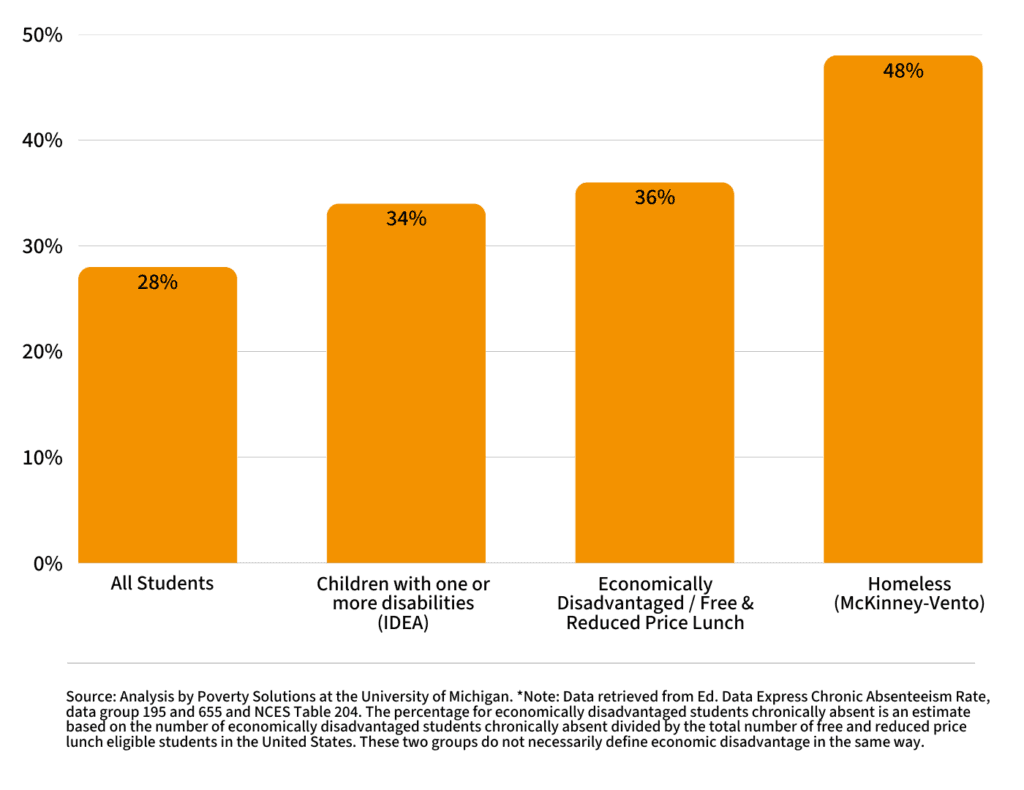
The findings underscore the critical importance of targeted educational support for homeless students, who are chronically absent at significantly higher rates than their peers. These innovative approaches not only improve immediate educational outcomes but also potentially interrupt cycles of generational poverty by ensuring consistent access to education.