

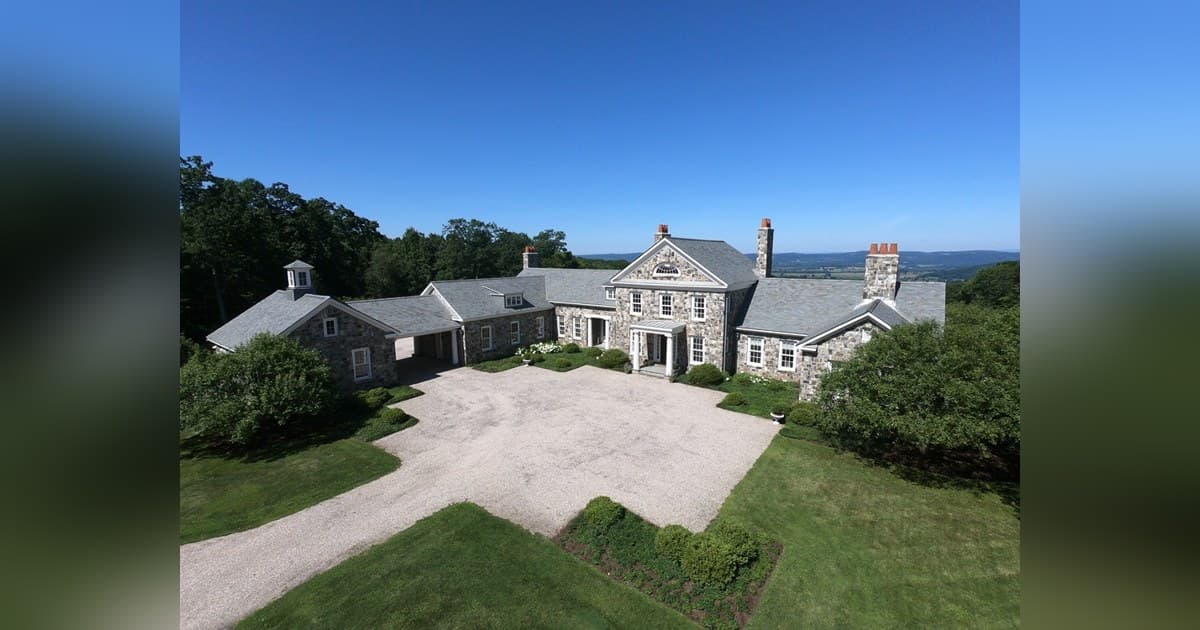
Sharon, Connecticut, a town in Litchfield County, is drawing buyers who seek something beyond the traditional summer destinations. According to Bill Melnick, a luxury real estate specialist with Elyse Harney Real Estate, the town's appeal lies in its authentic rural character combined with functional everyday infrastructure. Melnick, who lives in Sharon by choice, covers the region's three primary luxury markets: Salisbury, Cornwall, and Sharon. His perspective as both a resident and an agent offers insight into why Sharon is quietly attracting a discerning clientele.
Melnick's involvement with the Sharon Land Trust provides him with a working understanding of what the town is actively trying to preserve. The trust acquires and manages conservation land, maintains trails, and runs programs to eliminate invasive species. Landowners are sometimes approached about donating portions of their property into conservation, either for tax benefits during their lifetime or as part of an estate plan. "Their goal is to conserve land in Sharon in a respectful way," Melnick said. "And people are very passionate about it." Trail cameras capture wildlife moving through protected corridors, serving as a reminder of the preservation effort's purpose.
For buyers, the presence of conserved land has a direct impact on property valuation. When a parcel abuts protected land, the buyer gains a structural guarantee that the view from their windows will remain largely unchanged for decades. That permanence commands a premium that may not appear cleanly in comparable sales data but consistently influences what buyers are willing to pay. As Melnick notes, knowing the surrounding land is actively stewarded rather than simply left alone is a meaningful distinction for those purchasing not just a house but a landscape.
Sharon also offers the infrastructure of a real community rather than a curated weekend destination. The town has a food store, a pharmacy, restaurants, and the everyday commercial life that co-primary buyers—those splitting time between the city and Litchfield County—need to make the arrangement sustainable. Cultural and recreational amenities include the Sharon Playhouse, one of the longest-running summer theater programs in New England, as well as the Hotchkiss Library, Sharon Historical Society, and Sharon Audubon Center. The Housatonic River passes through, and hiking and trail access are immediate. "Sharon is really the country," Melnick said. "But it has everything you need."
Within Litchfield County, each major town attracts a different buyer profile. Salisbury draws families with school-age children and buyers with multi-generational ties to lake communities. Cornwall appeals to artists, architects, and conservation-minded buyers seeking the most deliberately rural version of the county. Sharon sits in a productive middle ground: accessible enough for co-primary buyers who need proximity to everyday services and the Metro-North connection at Wassaic, yet private enough for those seeking separation from suburban and city density. Land available ranges from hilltop parcels with long views across protected ridgelines to historic properties on established country roads.
Melnick describes buyers arriving in Sharon and finding something they did not entirely expect: a town that has held its character not by marketing itself but by simply being what it is. "People who come here for a house often find they've developed a life here," he said. "That surprised them." For those interested in exploring the area, Melnick's profile is available through Bill Melnick, and further information on Sharon and Litchfield County communities can be found through Elyse Harney Real Estate. The town's quiet appeal, rooted in conservation and community, may well continue to attract buyers seeking a sustainable blend of rural character and modern convenience.
