Recent studies presented at the American Heart Association’s Hypertension Scientific Sessions 2024 highlight alarming rates of high blood pressure among young adults and children in the U.S. The findings underscore the importance of addressing social determinants of health to improve cardiovascular outcomes in these age groups.
In the first study, nearly 23% of young adults (ages 18-39) analyzed in the NHANES 2017-2020 datasets had high blood pressure (130/80 mm Hg or greater). These individuals were more likely to be uninsured, food insecure, and low-income compared to older adults. The researchers emphasized the need for policies and programs that support routine screening and early treatment for high blood pressure in young adults.
Study author Thomas Alexander, an M.D.-candidate at Northwestern University, noted that addressing social determinants through targeted public health strategies is essential to improve outcomes and prevent long-term heart disease and stroke complications in this vulnerable population. The study found that young adults with multiple social needs were significantly more likely to have untreated or uncontrolled high blood pressure.
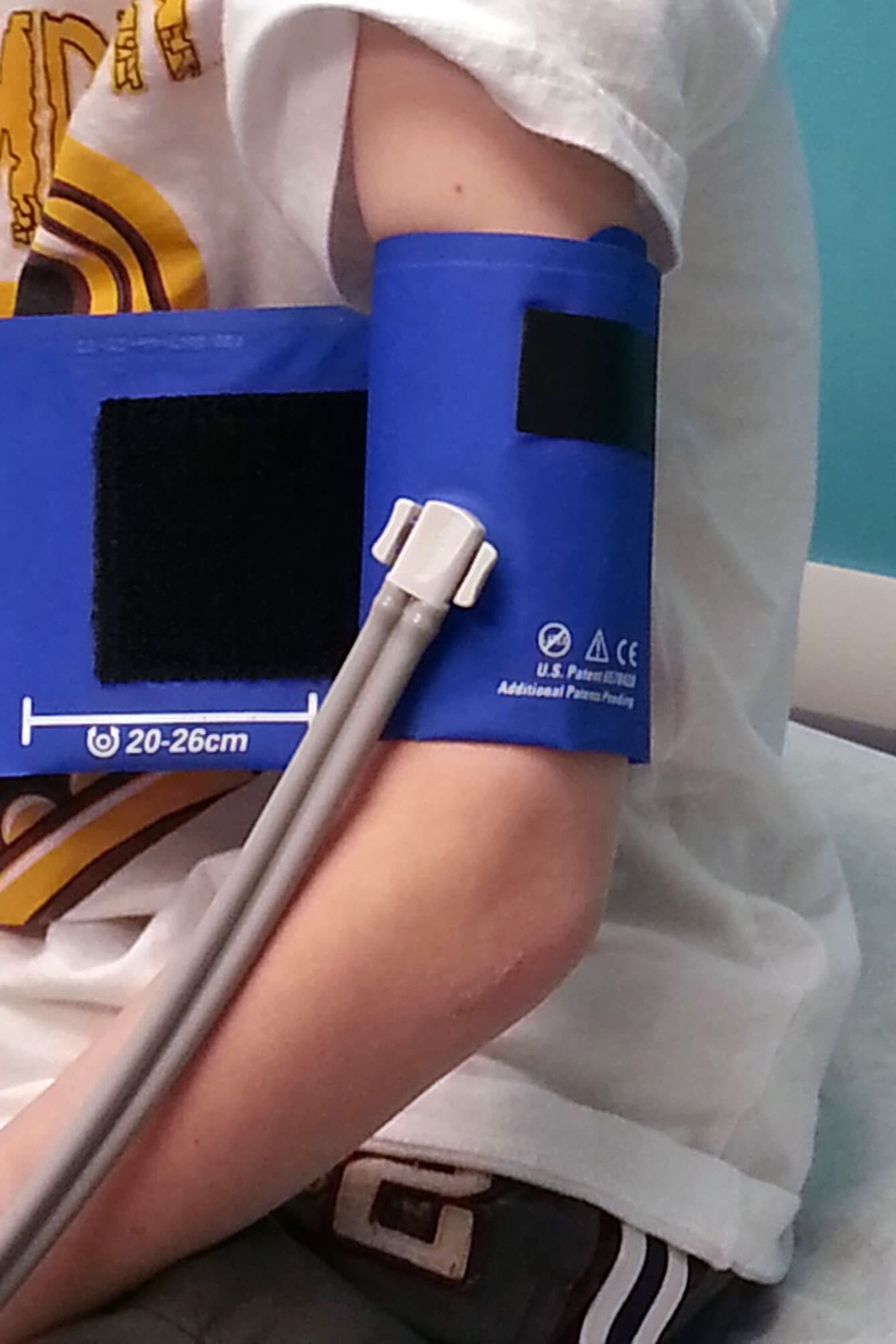
The second study focused on youth aged 8-19, estimating that 8.7% had elevated blood pressure and 5.4% had high blood pressure, based on age-sex-height percentiles in accordance with guidelines from the American Academy of Pediatrics. Elevated blood pressure rates were higher among males and increased with age, with a notable prevalence in those with severe obesity.
“Youth who have high blood pressure are more likely to have high blood pressure as adults, putting them at greater risk for heart disease and stroke,” said study author Ahlia Sekkarie, an epidemiologist at the CDC. The study highlighted the importance of healthy diets and regular exercise in reducing the risk of high blood pressure among youth.
Bonita Falkner, chair of the writing committee for the American Heart Association’s 2023 scientific statement on pediatric hypertension, emphasized that the heightened risk is not limited to young adults. Children of young adults facing social challenges are likely to experience similar health consequences, necessitating health policies that improve access to care, food security, and employment.
Both studies point to a pressing need for public health initiatives focused on increasing awareness, screening, and management of high blood pressure in young populations. Expanding access to affordable healthcare, alleviating food insecurity, and enhancing economic stability are crucial steps to improving cardiovascular health outcomes for young adults and children alike.