A recent study conducted by Leksum LLC has revealed promising results regarding the use of extracellular vesicles (EVs) in mitigating lung injury risks for patients on mechanical ventilation (MV) in intensive care units (ICUs). The research indicates that multiple doses of EVs, derived from bone marrow mesenchymal stromal cells (BM-MSCs), can significantly enhance the size and function of diaphragm muscle fibers, offering a potential breakthrough in treating ventilator-induced diaphragm dysfunction (VIDD).
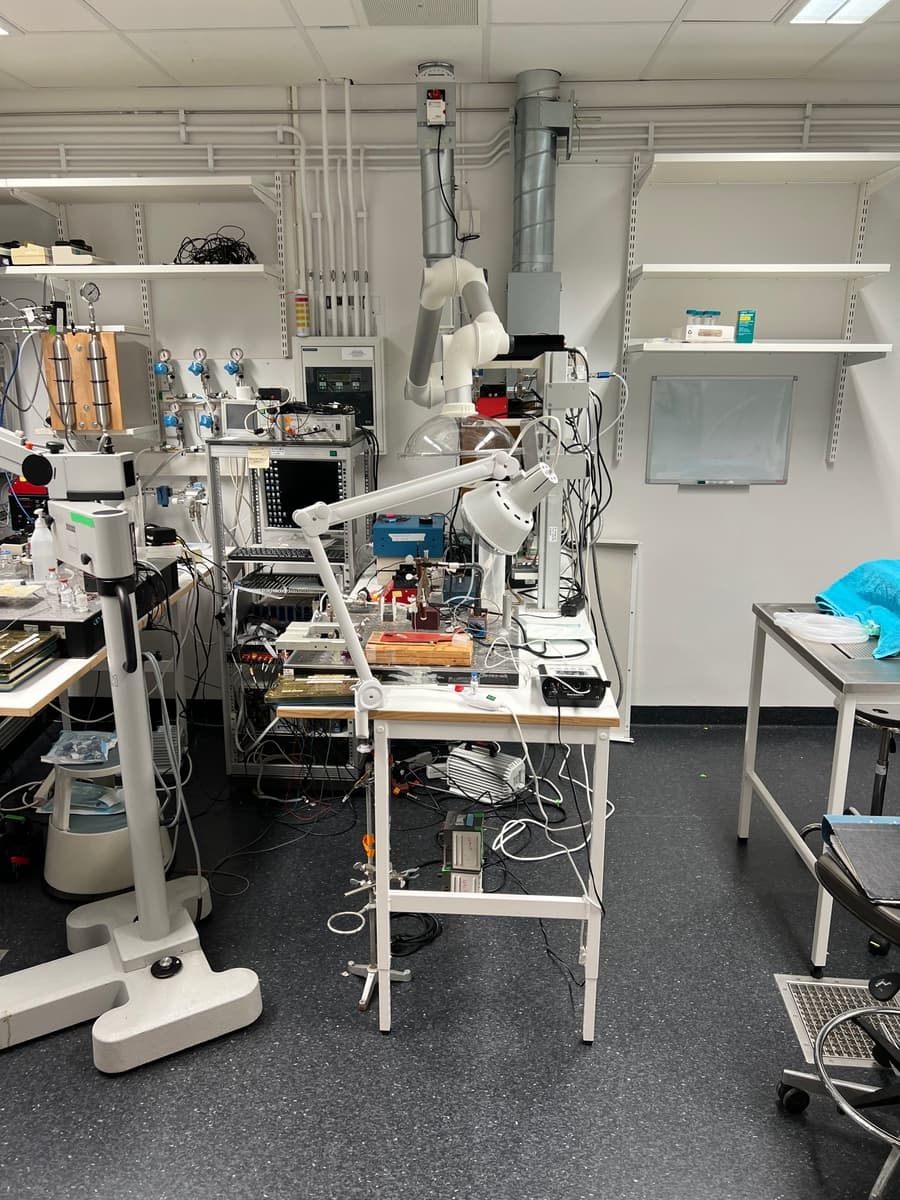
Professor Lars Larsson, Leksum’s Chief Scientific Officer, highlighted the significance of these findings, noting the near-complete preservation of diaphragm muscle fiber size and function in preliminary results. The study, conducted at Leksum's specialized laboratory in Uppsala, Sweden, showed that after two doses of EVs, muscle fiber cross-sectional area and specific force measurements were 93% and 94% of control values, respectively, a substantial improvement over untreated specimens.
The implications of this research are profound, as MV, while life-saving, often leads to complications such as diaphragm muscle dysfunction, complicating the weaning process and increasing mortality and morbidity rates. The potential to mitigate these effects could not only improve the quality of life for millions of patients but also significantly reduce the global healthcare costs associated with the weaning process, estimated to exceed $100 billion annually.
Leksum's ongoing research into the efficacy of EVs in treating muscle myopathies, including those resulting from MV, sarcopenia, and cancer cachexia, underscores the company's commitment to advancing biologic therapies. With Phase I trials on the horizon, the medical community watches closely, hopeful for a new era in ICU patient care.