

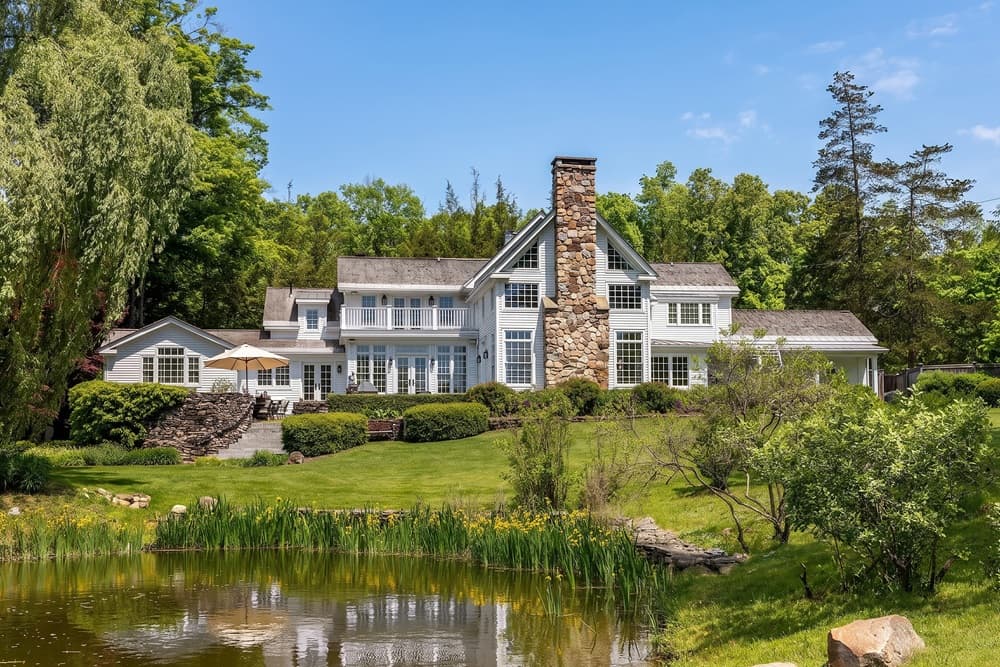
A recurring pattern is emerging in the upstate New York, Connecticut, and Massachusetts real estate markets: buyers who arrive seeking a weekend retreat often end up making it their permanent home. According to Elyse Harney Morris, principal broker and owner of Elyse Harney Real Estate, this trend is reshaping the region's housing market and challenging traditional assumptions about primary versus secondary residences.
Morris, whose firm operates across the tri-state area, observes that many clients initially purchase properties for occasional use. "They stay for a year," she says, "and then one of them starts commuting a few days a week, and then the whole thing just stops, and they go: we're staying." This shift is not merely anecdotal but is reflected in the most active market segment: homes priced between $2 million and $3 million, which are often bought by individuals who have already experienced the area and are now formalizing a permanent commitment.
The region's ability to retain buyers lies in its year-round appeal. Unlike areas that thrive only in summer or winter, the Litchfield Hills, Hudson Valley, and Southern Berkshires offer activities and infrastructure across all four seasons. Winter is anchored by Catamount Mountain Resort, which recently invested in a new lodge, expanded trails, and improved snowmaking. The area also hosts ski jumping events, including the Junior Olympics for the second time this coming year, drawing national attention.
Summer brings the renowned Tanglewood in Lenox, Massachusetts, where the Boston Symphony Orchestra performs, and James Taylor's July concerts are a staple. The Appalachian Trail and a network of land trust properties provide extensive outdoor recreation, while electric bike trails are expanding. The cultural calendar includes Yale School of Music's summer programs in Norfolk, Connecticut, and events at local prep schools, enriching the community.
Beyond leisure, the region's community infrastructure is critical to retention. Walkable town centers like Salisbury offer easy access to Lakeville Lake, restaurants, and year-round institutions. The prep school network—including Hotchkiss, Salisbury School, and Berkshire School—provides educational options that attract families who might otherwise return to cities. The farm-to-table culture, with farmers markets and pick-your-own farms, adds to daily life's quality.
Buyers who decide to stay permanently evaluate properties differently, focusing on school systems, medical facilities, and the character of towns in the off-season. Morris notes that these buyers are not making speculative purchases but conclusions to an emotional commitment. The region's strict zoning and land conservation programs ensure that the environment they are buying into will remain intact for generations, making permanence not just a choice but a sound investment.
This trend is significant for the real estate industry and local economies, as permanent residents contribute more consistently to community life and services than seasonal visitors. It also reflects a broader shift in work and lifestyle preferences, where quality of life is increasingly prioritized over proximity to urban centers. As more buyers discover the region's enduring appeal, the demand for properties that can serve as full-time homes is likely to grow, further solidifying the area's reputation as a place where buyers come for a weekend but stay for a lifetime.
