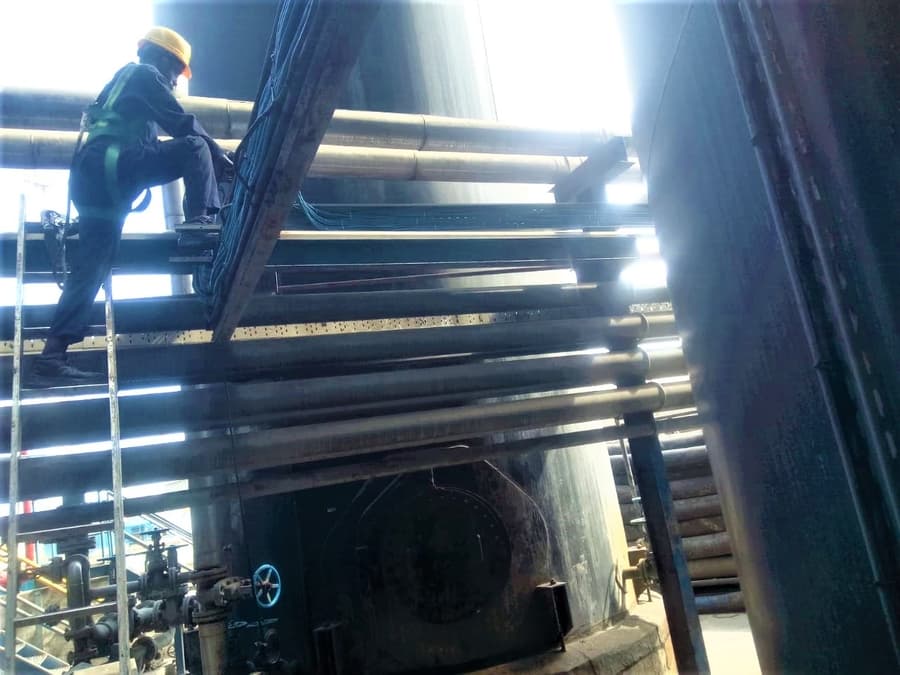
Burhani Engineers has successfully designed, supplied, installed, and commissioned an Overfill Prevention System at a significant tank farm in Mombasa, Kenya. The project, which focused on 13 storage tanks, is part of a larger upgrade initiative aimed at enhancing safety measures and preventing overfill incidents in industrial facilities.
The newly installed system complies with API 2350 standards, ensuring it meets international best practices for overfill prevention in storage tanks. This compliance is crucial for maintaining high safety standards in the oil and gas industry, where tank overfills can lead to catastrophic environmental and safety incidents.
One of the key features of the new system is its integration with existing infrastructure. Burhani Engineers had previously installed similar systems for two other tank farms at the same facility, and the seamless integration of the new system ensures comprehensive protection across the entire tank farm. This cohesive approach to safety management is becoming increasingly important in complex industrial environments.
The project addressed a significant challenge: the lack of a fully independent overfill prevention system for the tank farm. Burhani Engineers' solution is modular, scalable, and extensible, providing real-time data on tank levels and triggering alarms when necessary. This automation minimizes human error and ensures timely responses to potential issues, a critical factor in preventing industrial accidents.
The successful implementation of this advanced safety system highlights the growing trend towards increased automation and safety measures in industrial facilities. As regulations become stricter and the costs of accidents rise, investments in such technologies are likely to become more common across various industries. This project serves as a model for how companies can enhance their safety protocols while maintaining operational efficiency.
For the oil and gas industry in Kenya and beyond, this development signals a move towards more sophisticated safety measures. It also underscores the importance of partnering with experienced engineering firms capable of delivering complex, tailored solutions that meet international standards. As industrial operations continue to expand and evolve, the demand for such advanced safety systems is expected to grow, potentially reshaping safety practices across the sector.