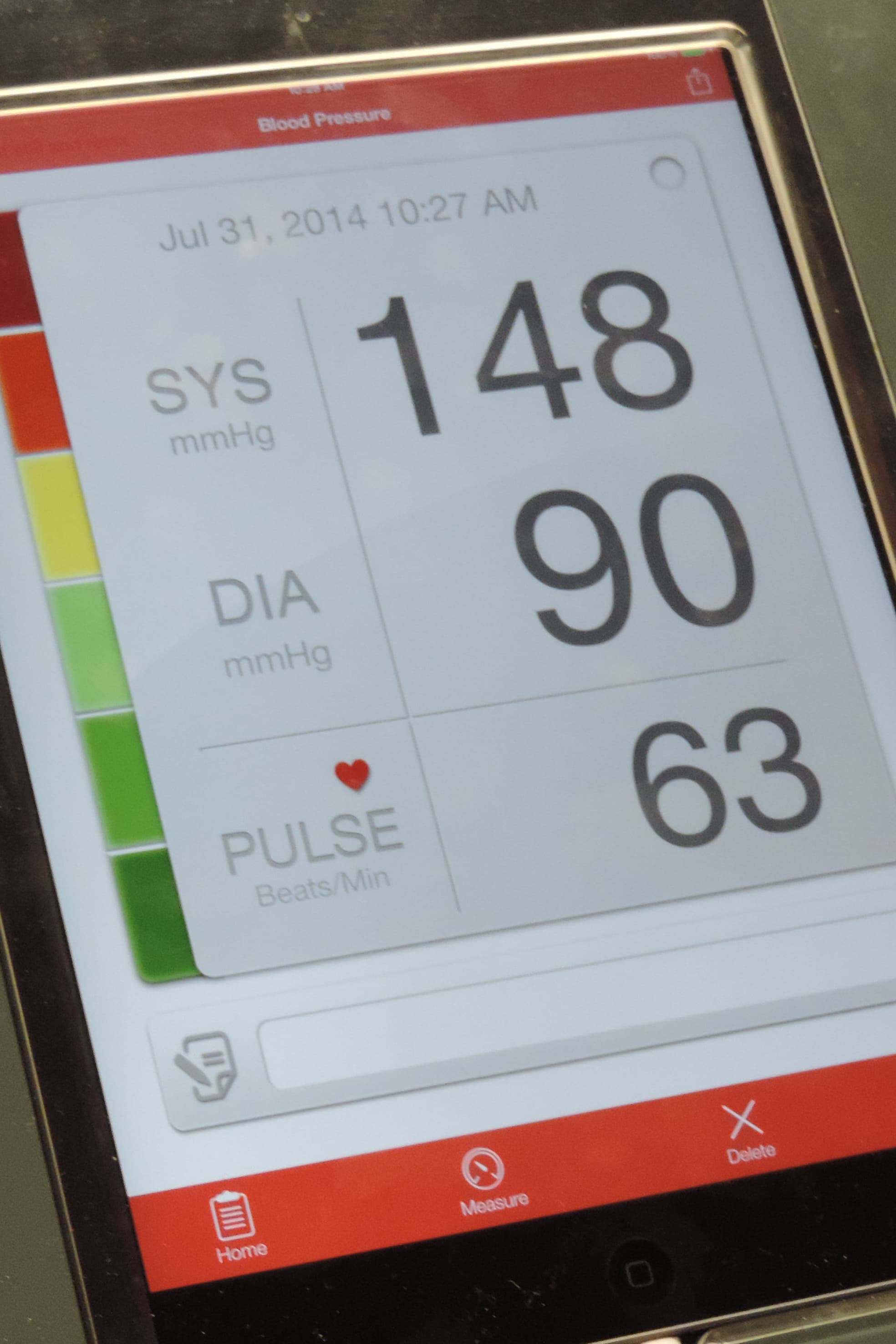
Up to 74% of adults with treatment-resistant high blood pressure were able to get their blood pressure below 140/90 mm Hg within one year through a program combining remote blood pressure monitoring with pharmacist interactions. The preliminary research was presented at the American Heart Association’s Hypertension Scientific Sessions 2024, held in Chicago from September 5-8, 2024.
The study focused on patients with blood pressure higher than 140/90 mmHg who were receiving care in kidney specialty clinics. The ConnectedCare365 Hypertension Management program provided these patients with Bluetooth-enabled remote monitoring devices. Notifications from these devices were sent to a central monitoring center, where doctors and pharmacists co-managed patient care, adjusted medications, and provided education on device usage and health management.
“By deploying these extra resources to get blood pressure under control in high-risk patients and reducing hospitalizations, we are hoping that we can help provide more justification in expanding these types of programs,” said senior study author Alexander Chang, M.D., M.S., a nephrologist at Geisinger Health.
Results showed that 67% of patients achieved blood pressure control of less than 140/90 mm Hg at six months, and 74% achieved this goal by 12 months. Additionally, pharmacist interactions through telehealth were documented in 65% of patients and were associated with a 1.3 mm Hg/month decline in systolic blood pressure over time.
The study included 205 adults with an average age of 62 years, and 53% had a diagnosis of chronic kidney disease at enrollment. Systolic blood pressure was lowered by an average of 3.3 mm Hg/month for those with initial readings greater than 150/90 mm Hg, indicating significant improvements in blood pressure management.
Wanpen Vongpatanasin, M.D., professor at UT Southwestern Medical Center, emphasized the importance of this program, noting, “This program’s team-based care approach, including a pharmacist remotely, makes it a feasible option to increase access. The findings signal a way to reduce hospitalization and improve blood pressure, which is very encouraging.”
The study’s strengths include its real-world setting, inclusion of pharmacists, and the ability to review hospitalization data. However, limitations such as the need for internet access and the use of patients as their own control group were noted.
Overall, this study highlights the potential of remote monitoring and pharmacist interventions to significantly improve blood pressure control among high-risk patients, offering a promising approach to managing hypertension and reducing hospitalizations.